Photothermal Recycling Biosensing
for Longitudinal Biochemical Monitoring

Longitudinal Biochemical Monitoring
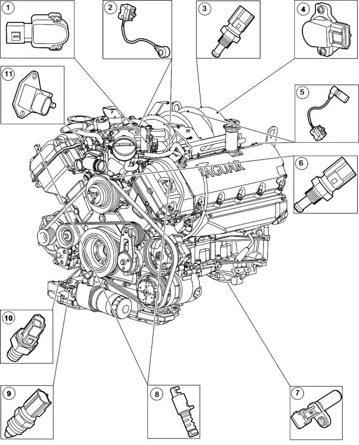
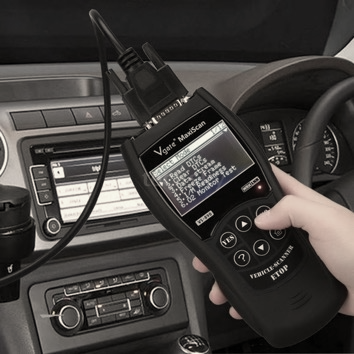
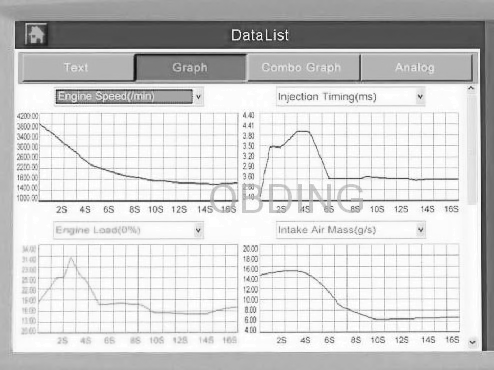
?
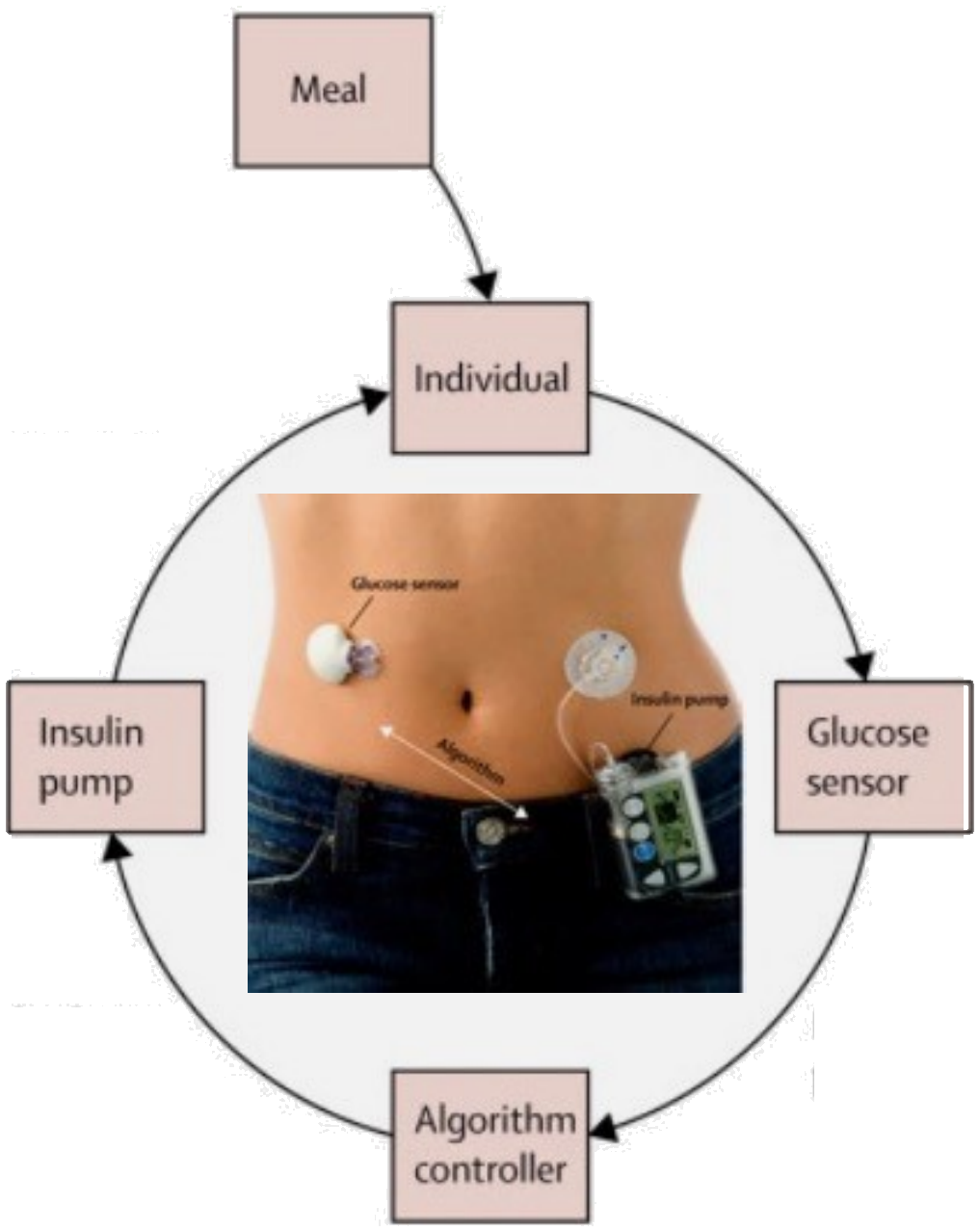
On-Board Diagnostics (OBD)
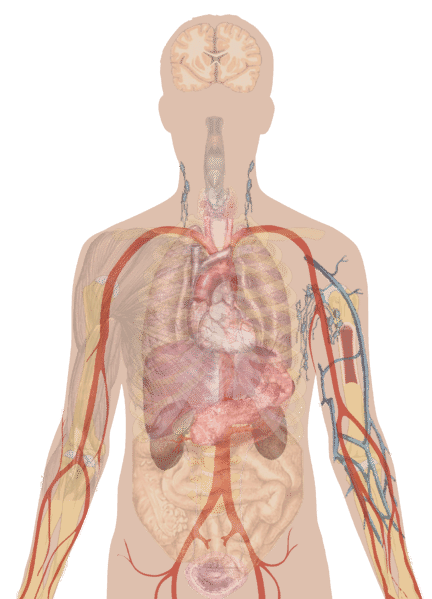
Continuous Biochemical Monitor
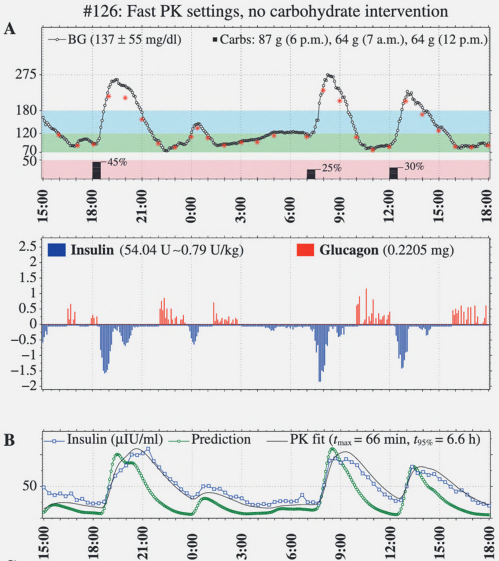
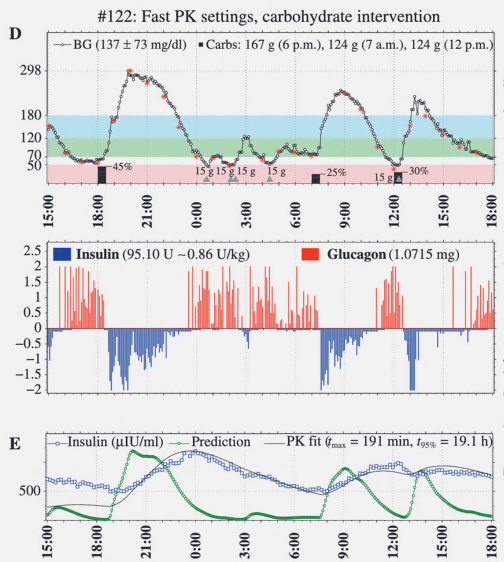
Example: Diabetes Management
- over 97,000 hypoglycemia in US annually
- insulin absorption rates differ among individuals
- insulin test: blood draw and lab analysis
- continuous insulin monitoring is not available
Biomarker Measurement and Monitoring
Clinical/Bioanalytical Assays
Wearables
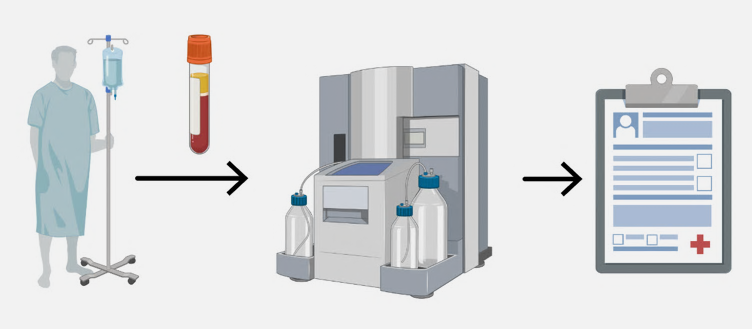
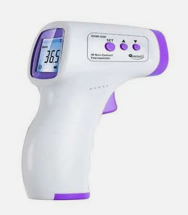
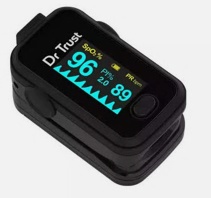
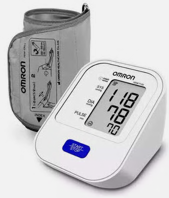
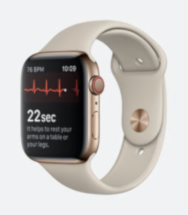
- In-patient care
- Accurate and comprehensive
- Invasive
- Slow, Expensive
- Sparse
- Limited to lab infrastructure
- At-home or wearable
- Limited analytes
- Non-Invasive
- Fast, minimal cost per sample
- Continuous, On-demand
- Limited specificity
Need: continuous and sensitive measurement of state-specific biomarkers
Current Continuous Assays and Technical Challenges
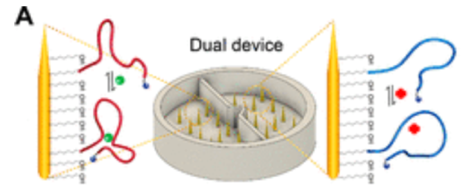
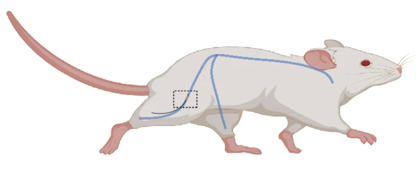
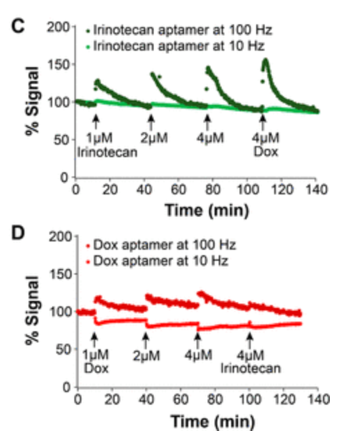
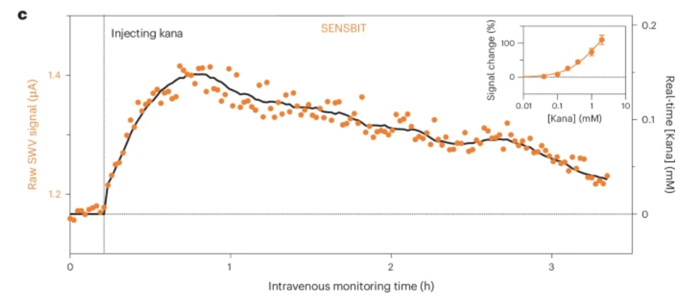
Continuous aptamer sensors existin vivo, for hours, at micromolar
What the clinic needsdynamic, low-abundance biomarkers
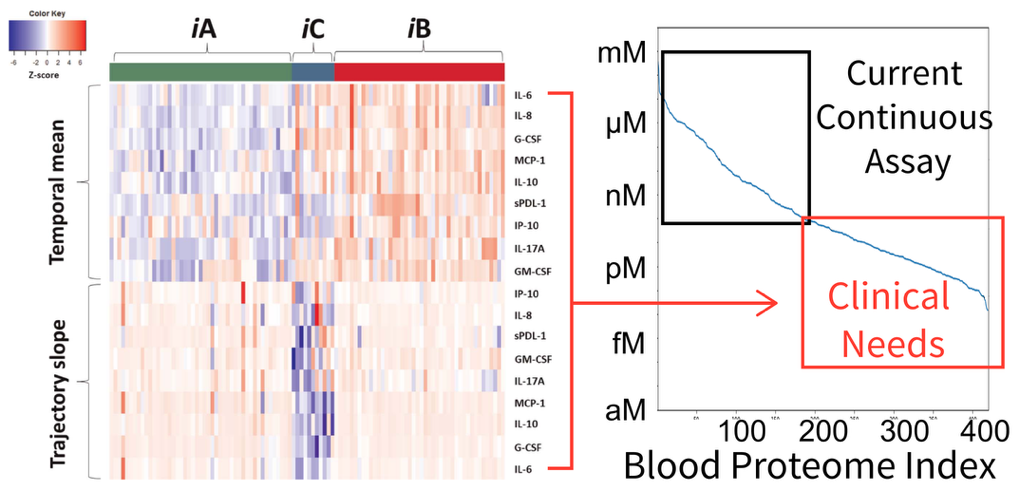
- Clinically informative proteins, hormones and immune mediators sit at pM to fM
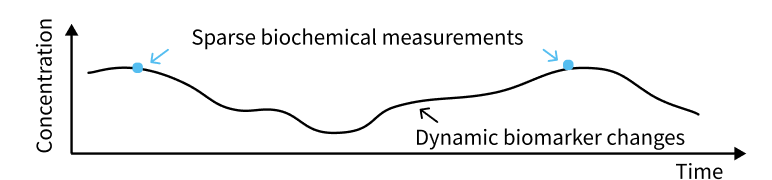
- They are dynamic: the trajectory carries the information
- Technical challenge: longitudinal monitoring of low-abundance biomarkers
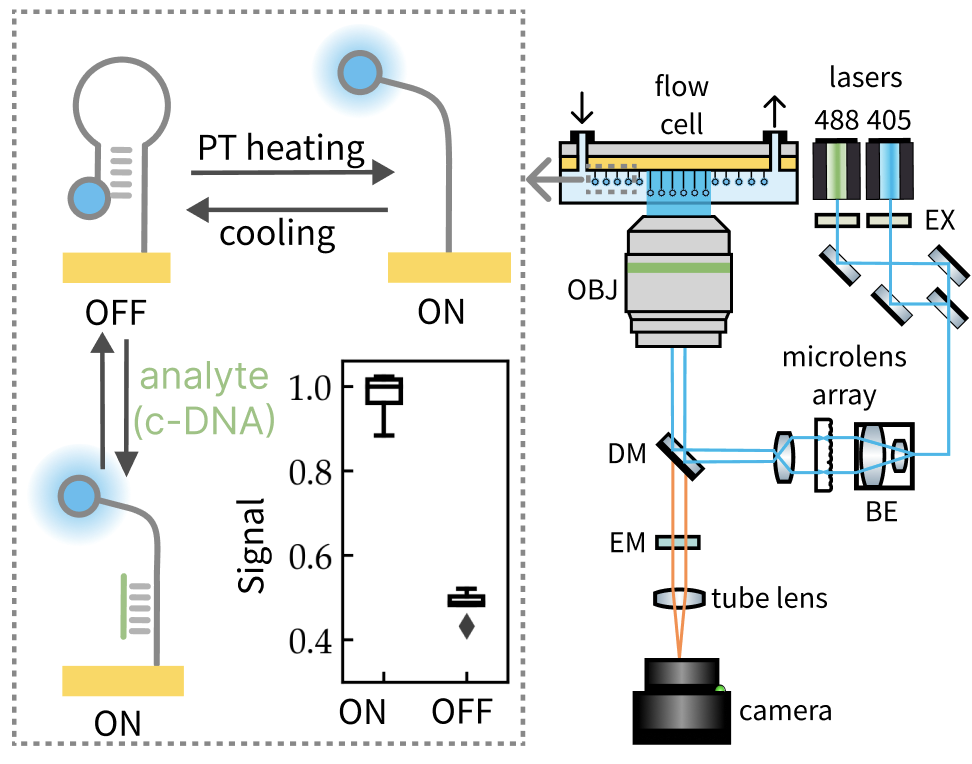
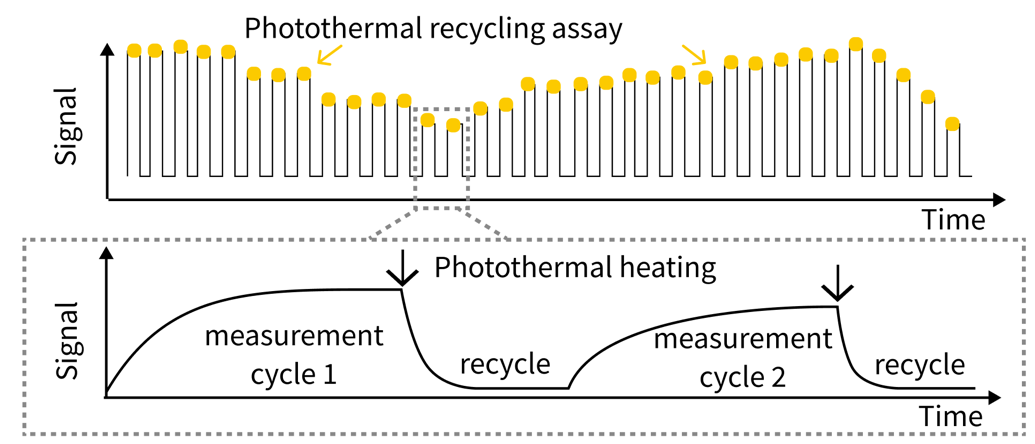
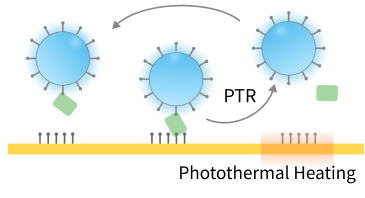
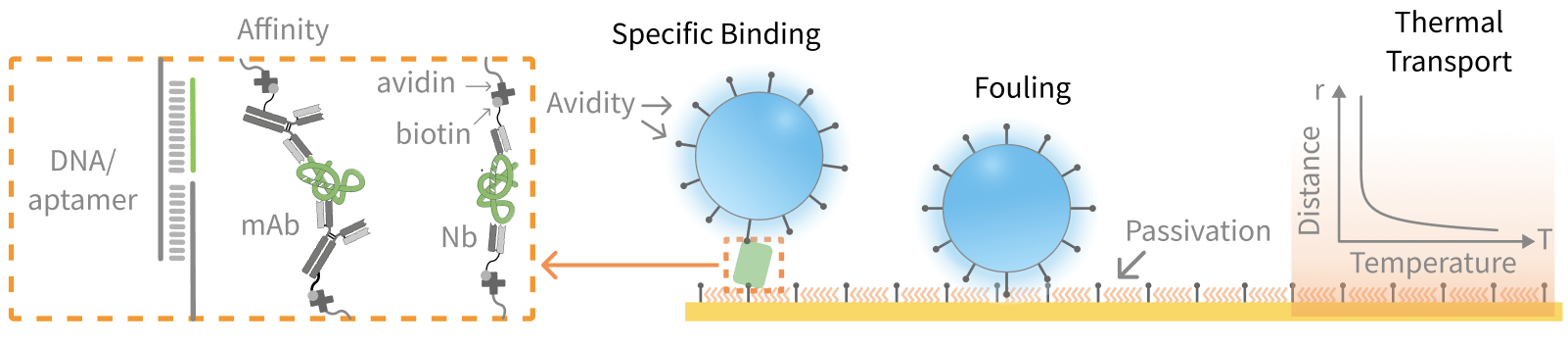
Photothermal Recycling (PTR) Biosensing
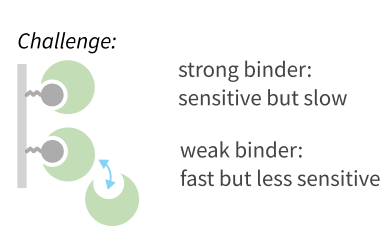
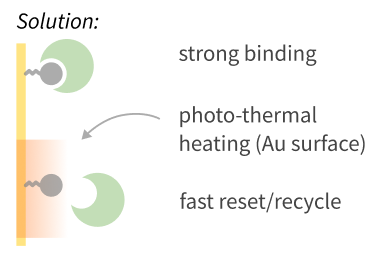
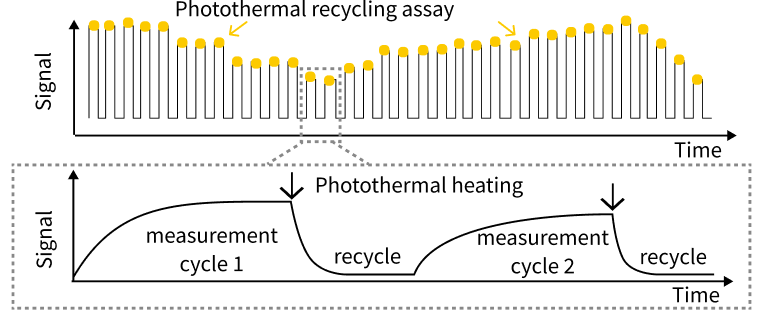
PTR Proof-of-Concept Demonstration
Assay Design and Optical Instrumentation
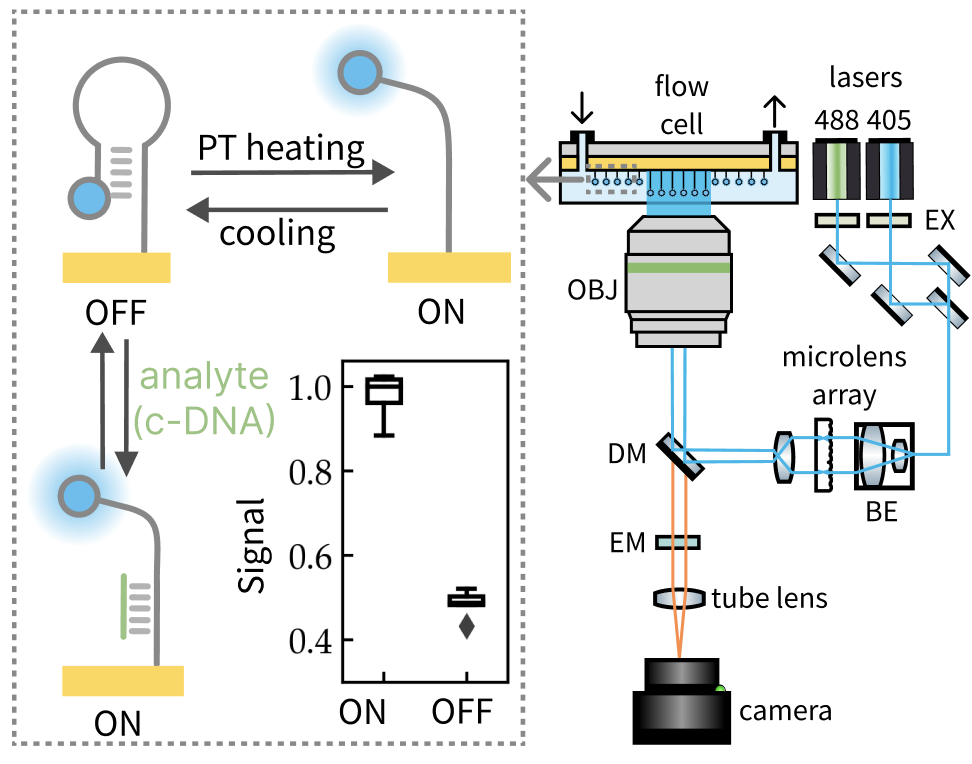
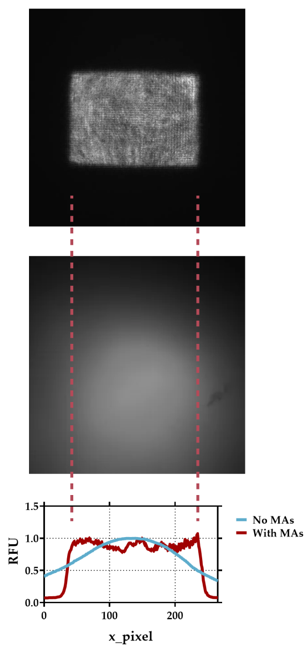
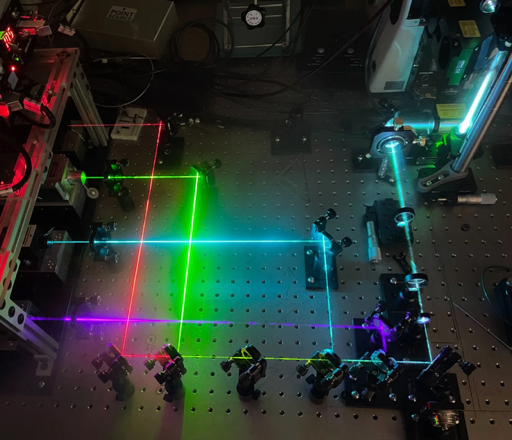
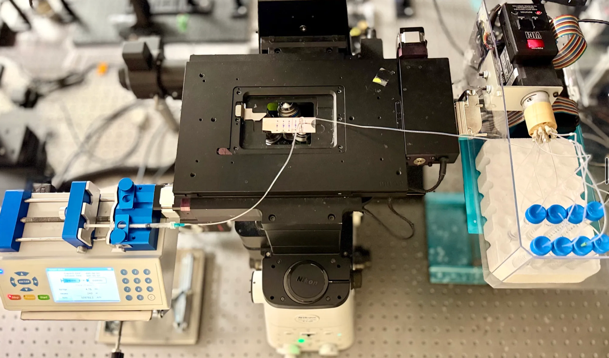
PTR Proof-of-Concept Demonstration
Assay Design and Optical Instrumentation
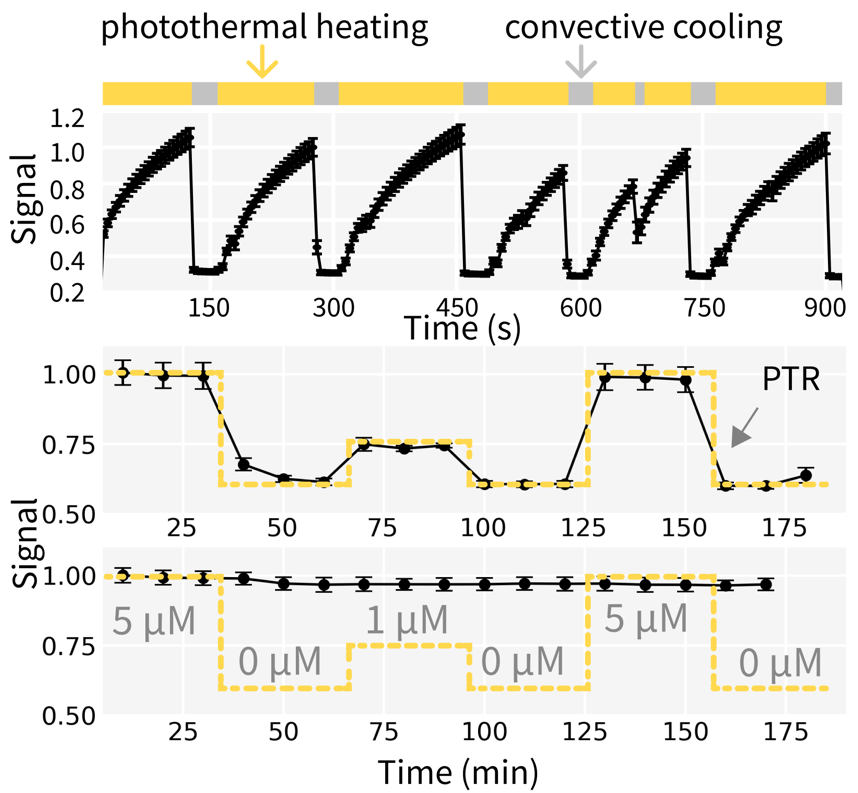
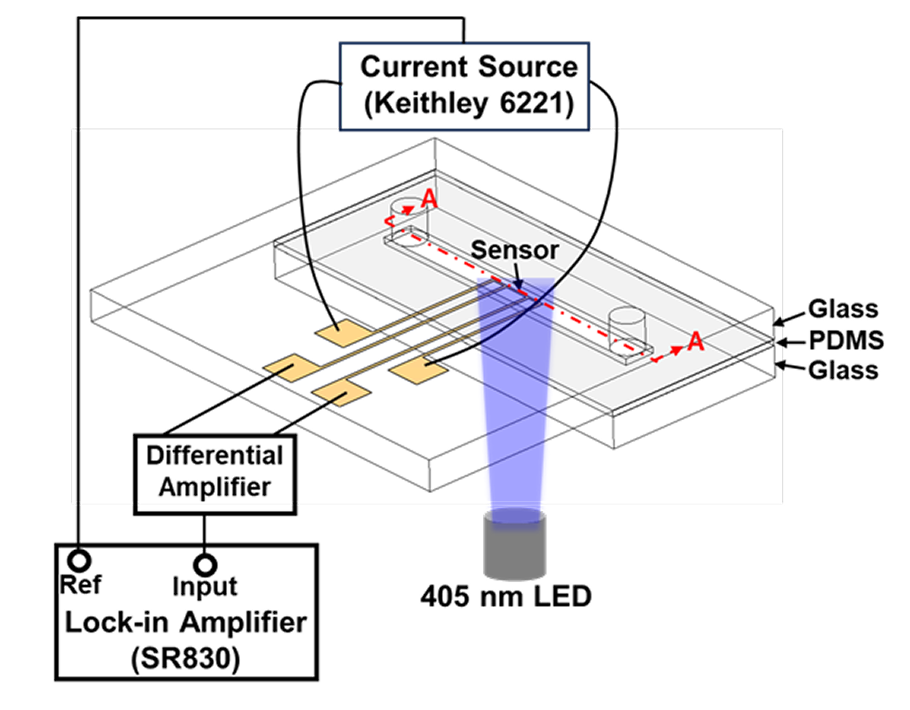
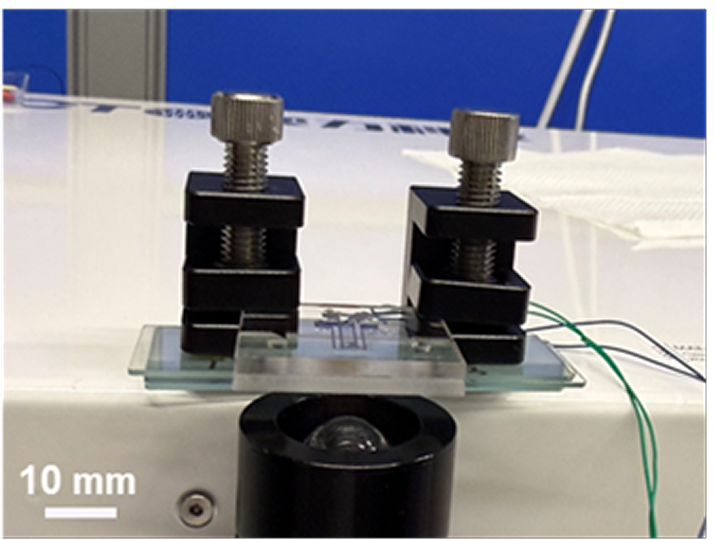
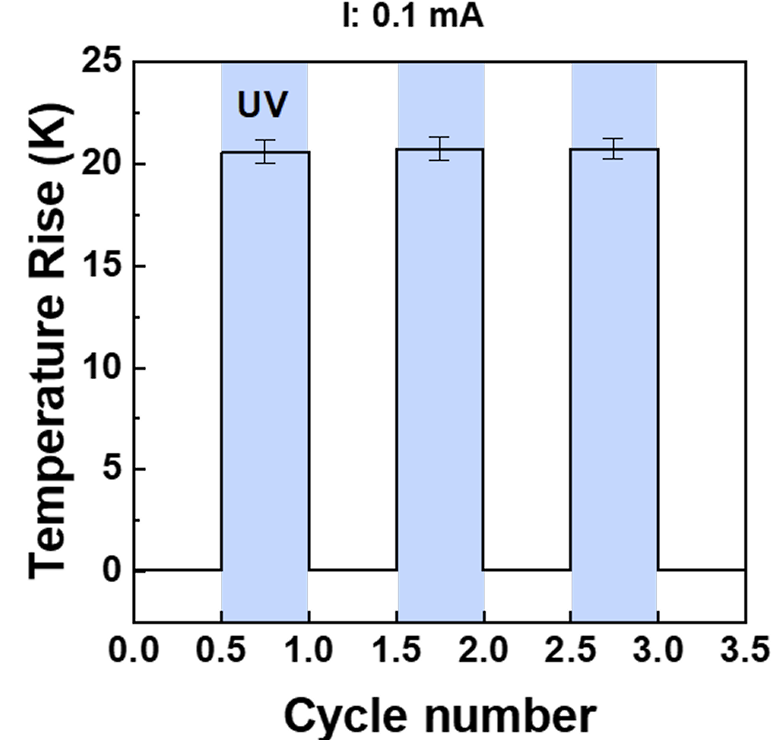
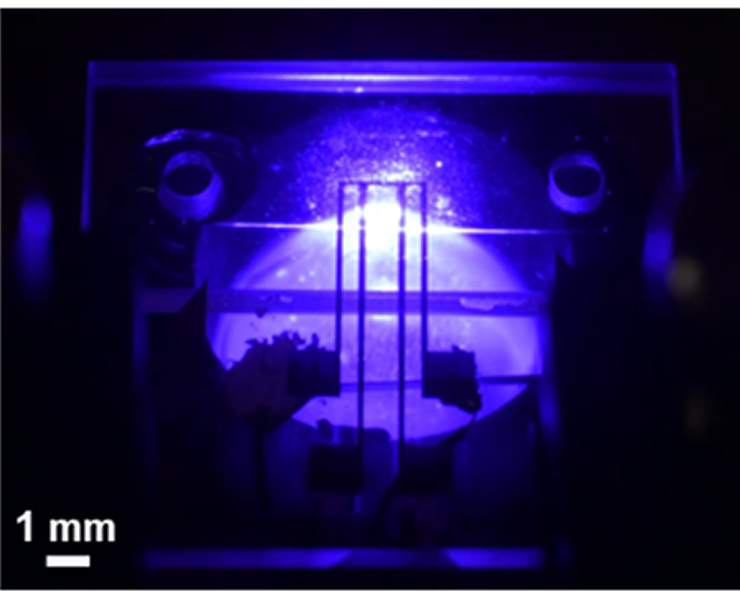
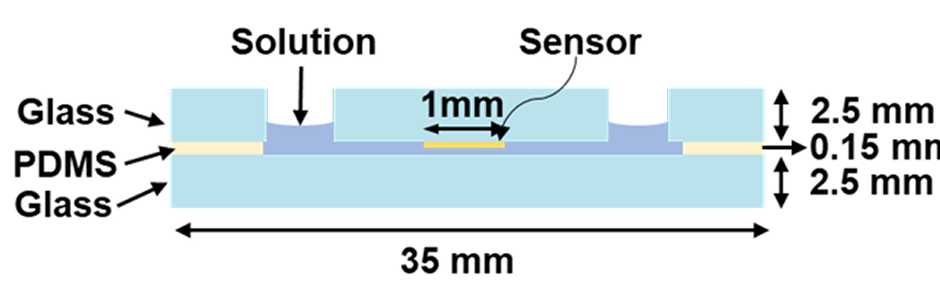
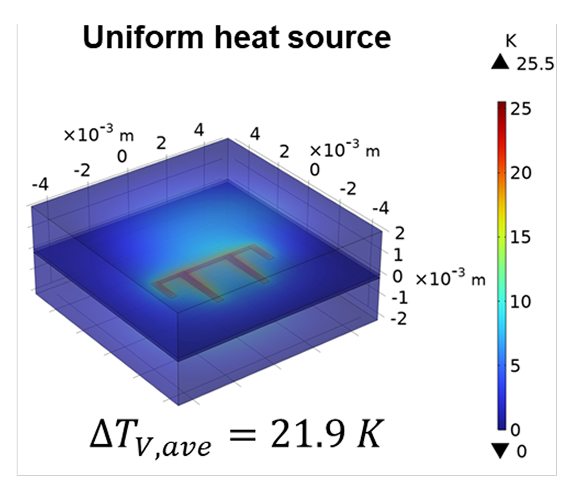
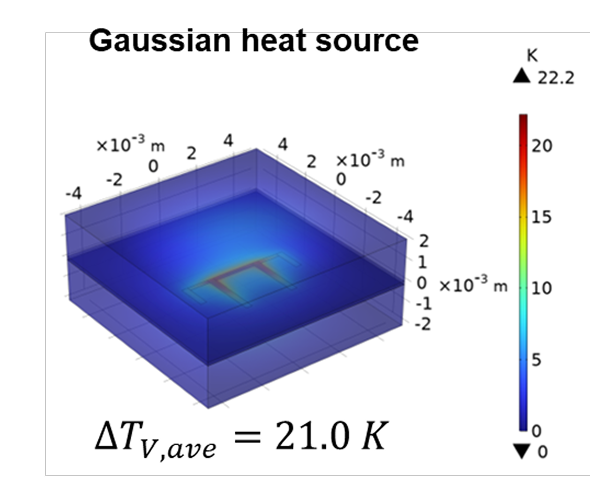
Photothermal Effect on Au Film Modeling and Measurement

Prof. Qiye Zheng
HKUST
HKUST
Improving Assay Sensitivity with Digital Counting
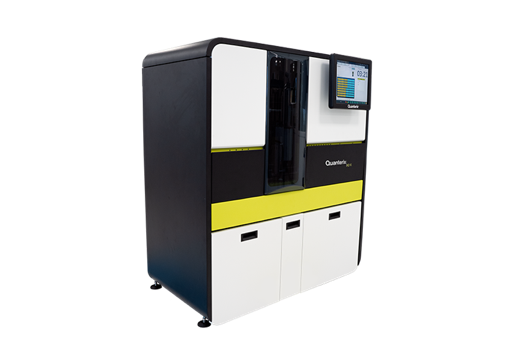
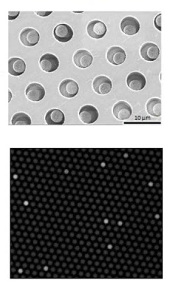
SIMOA Assay (<fM LOD)
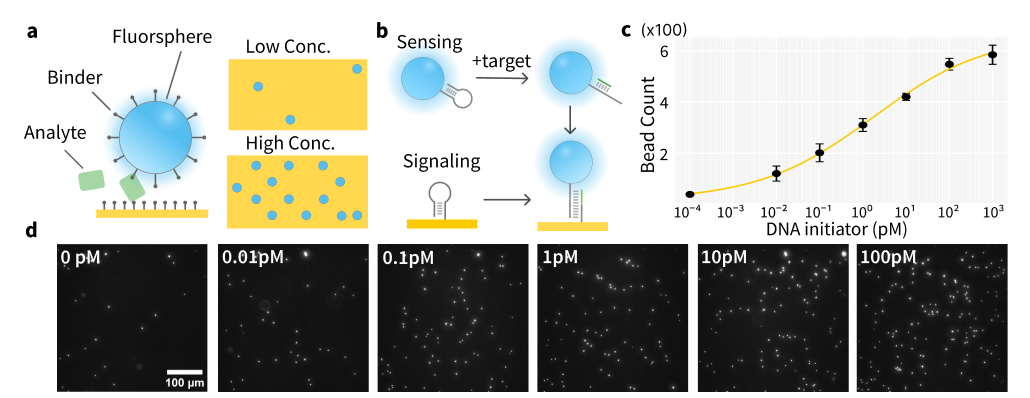
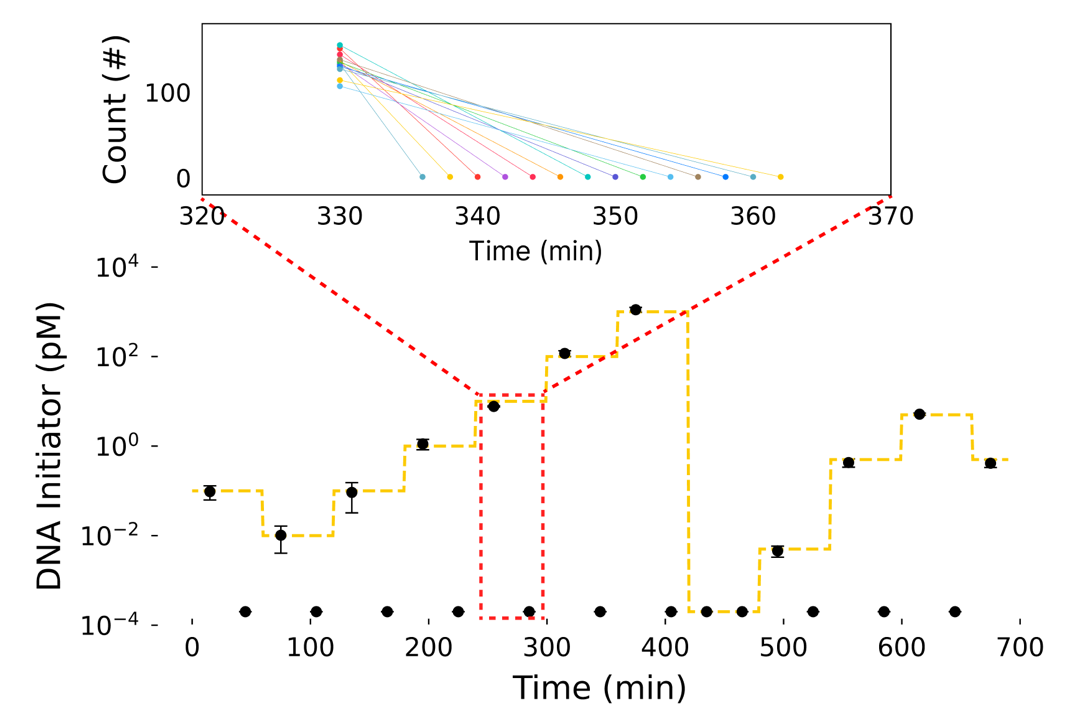
Digital PTR Assay Demonstration with DNA analyte
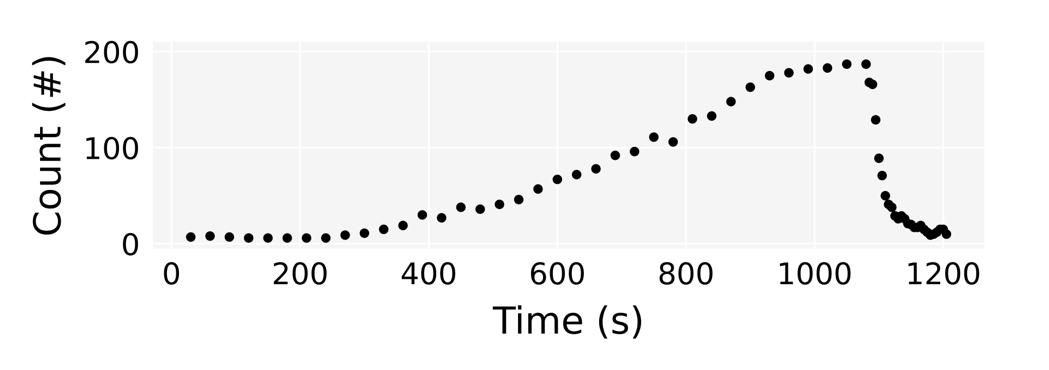
Digital PTR Assay Demonstration with DNA initiator
Tile Scanning
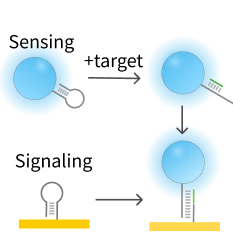
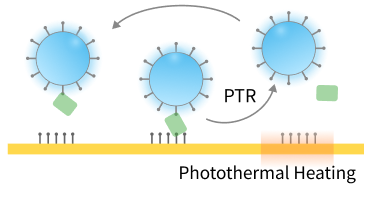
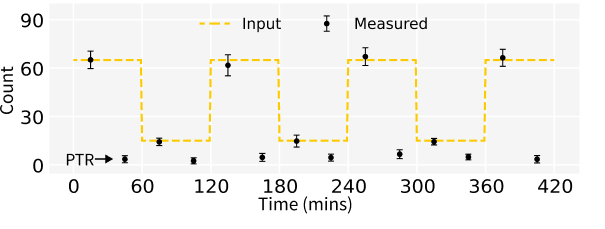
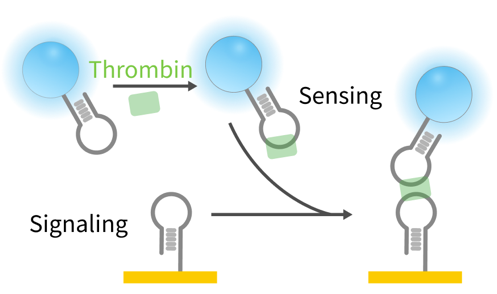
Detecting Nucleic Acid and Protein Analytes with Sandwich Assay
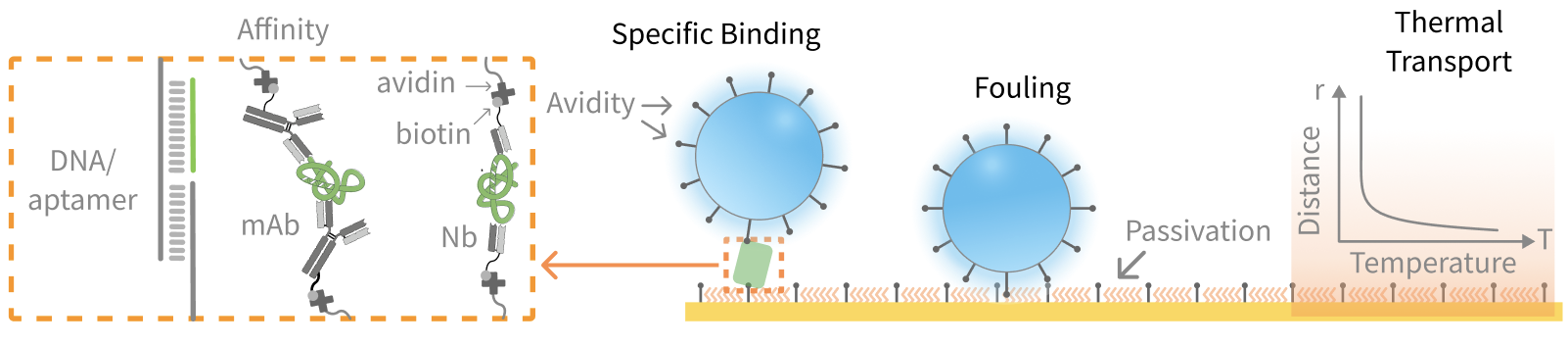
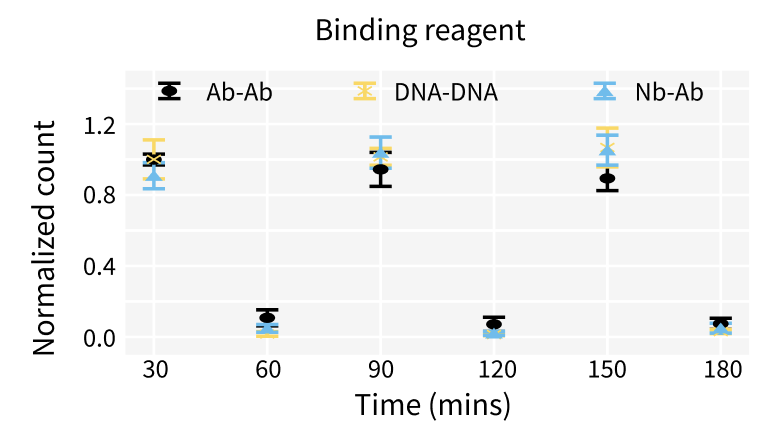
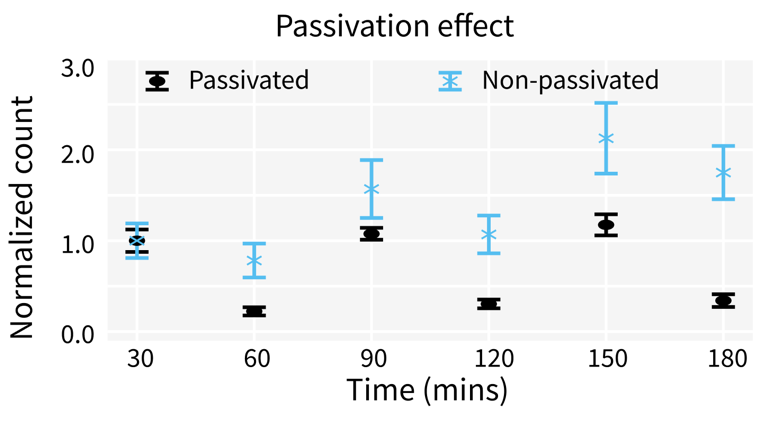
Detecting Nucleic Acid and Protein Analytes with Sandwich Assay
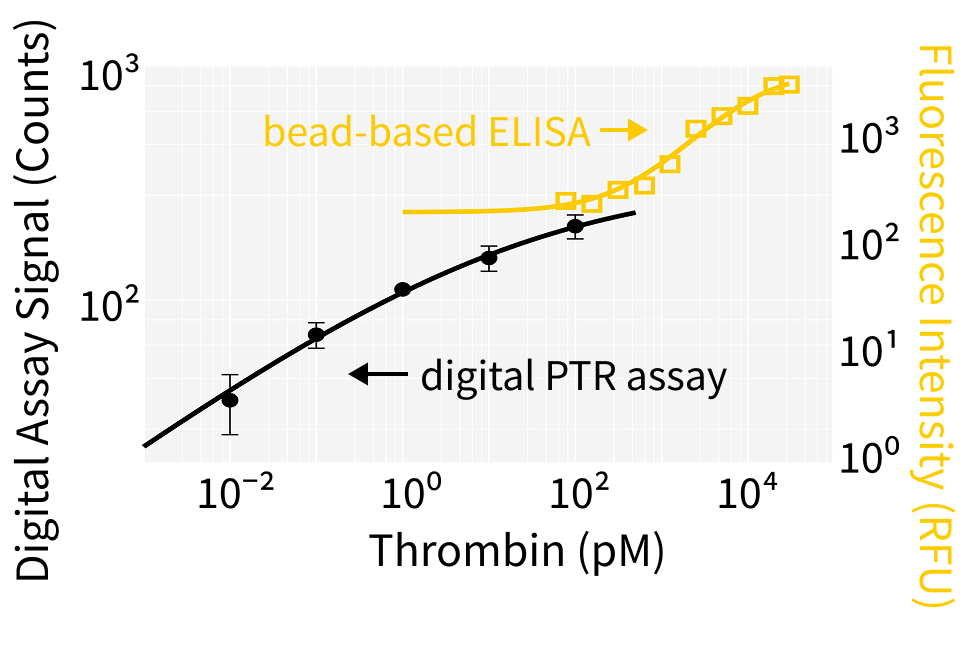
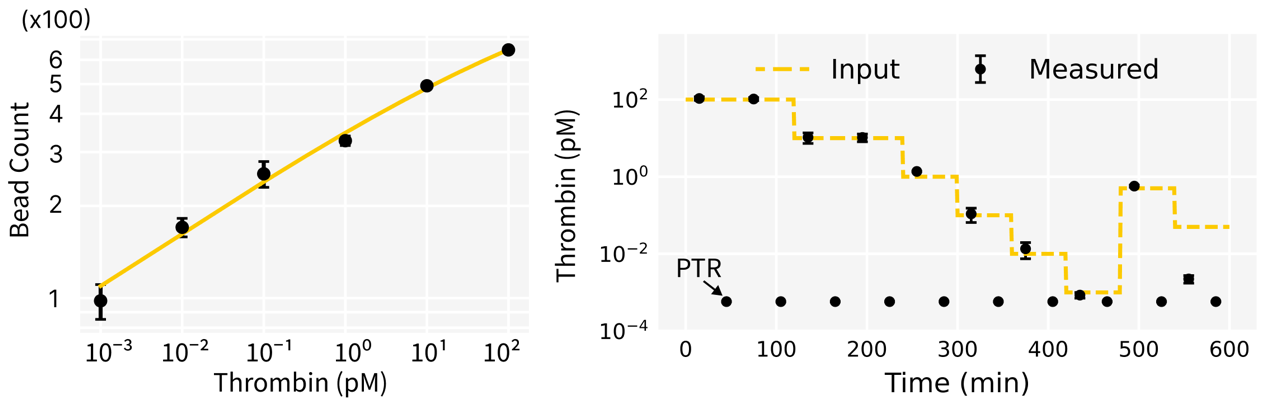
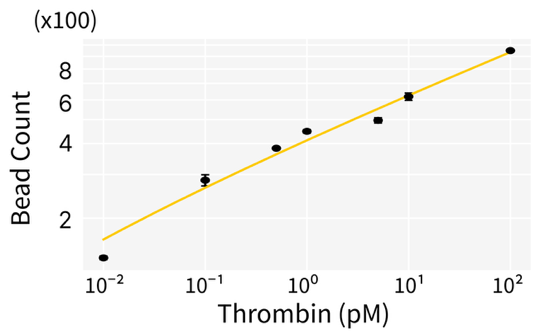
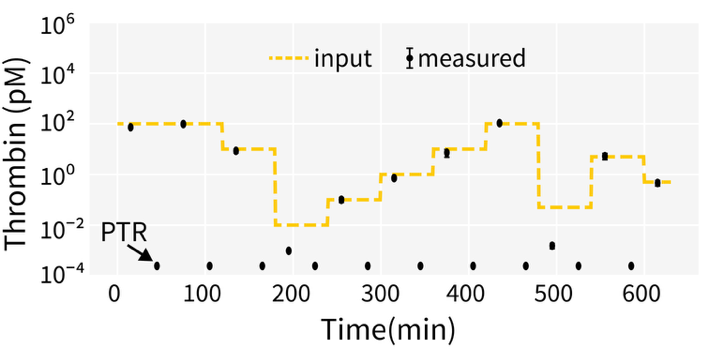
Protein Detection in Serum (Analyte: Thrombin)
Buffer
Serum (10%)
LOD 10 fM
LOD 31 fM
Detecting Small Molecule Analytes with Sandwich Assay
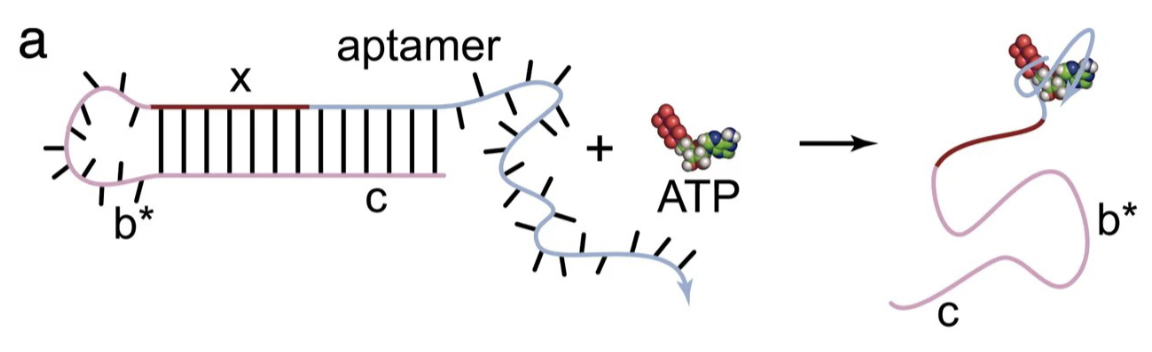
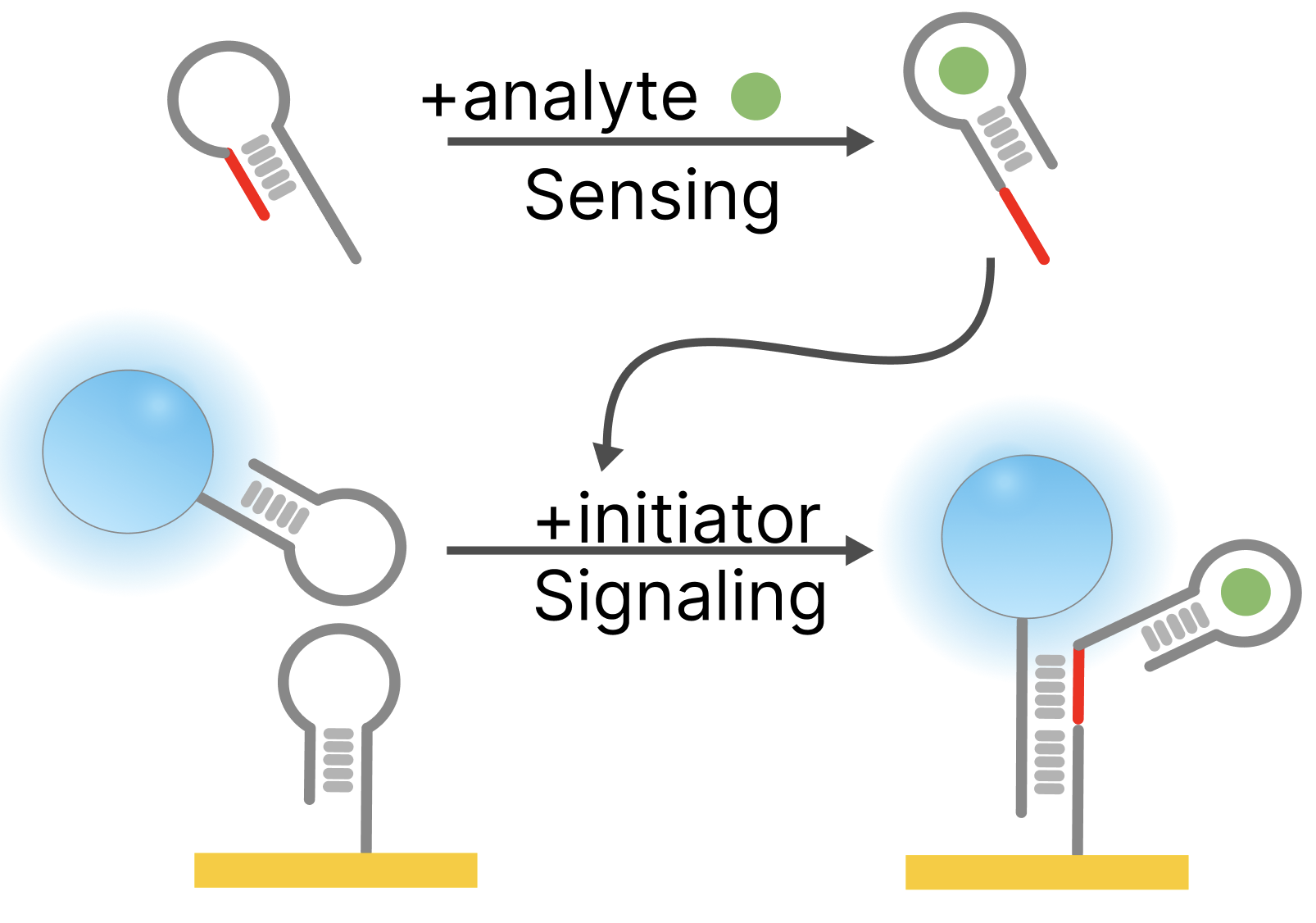
Intramolecular Strand Displacement (ISD)
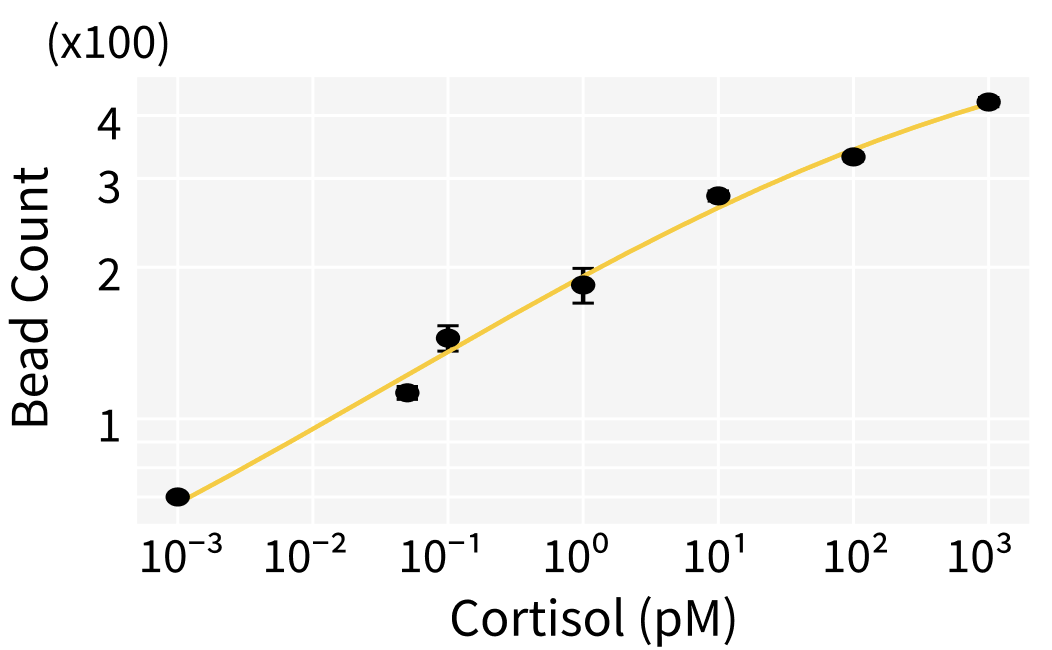
Cortisol PTR sensor
ATP PTR sensor
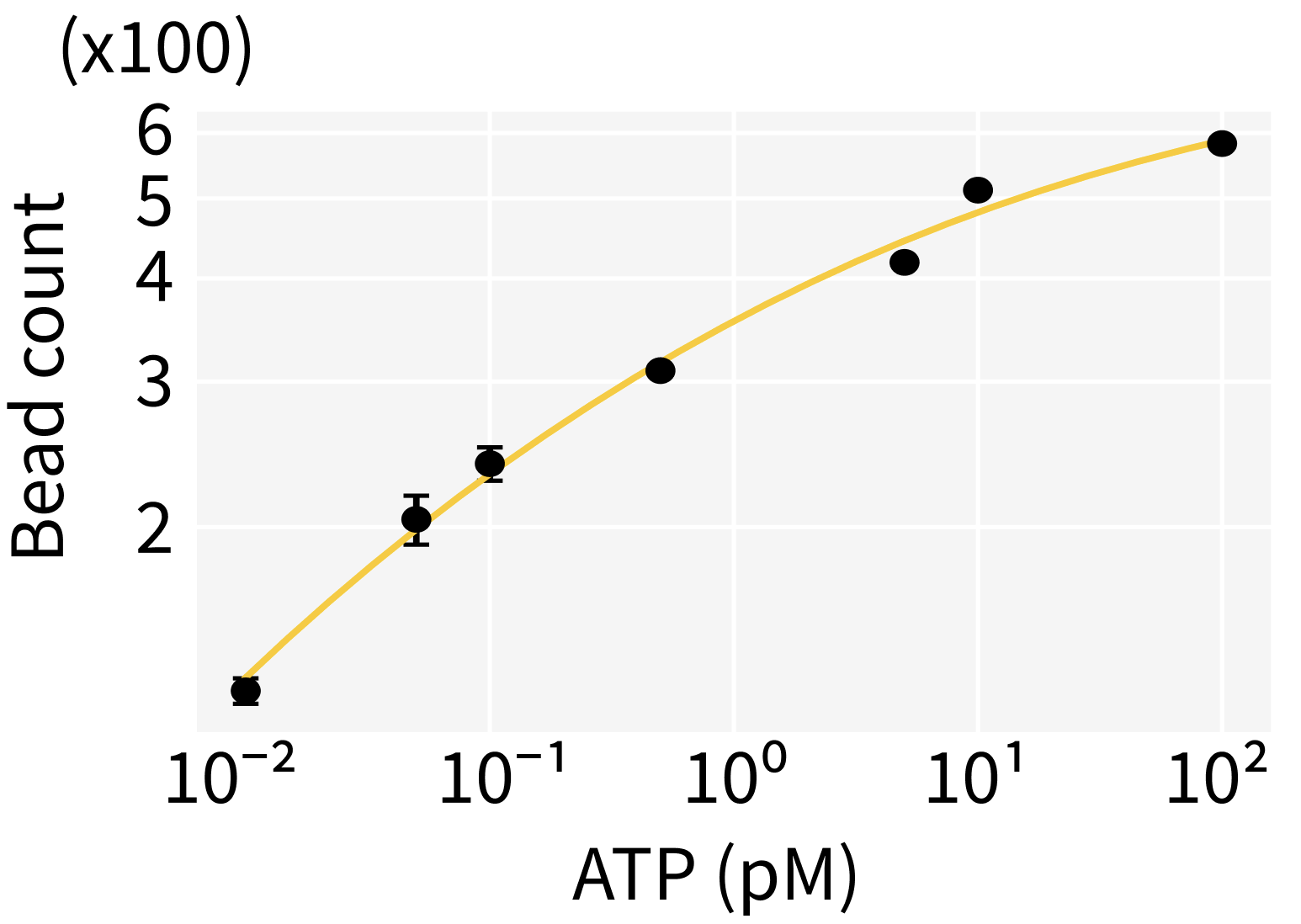
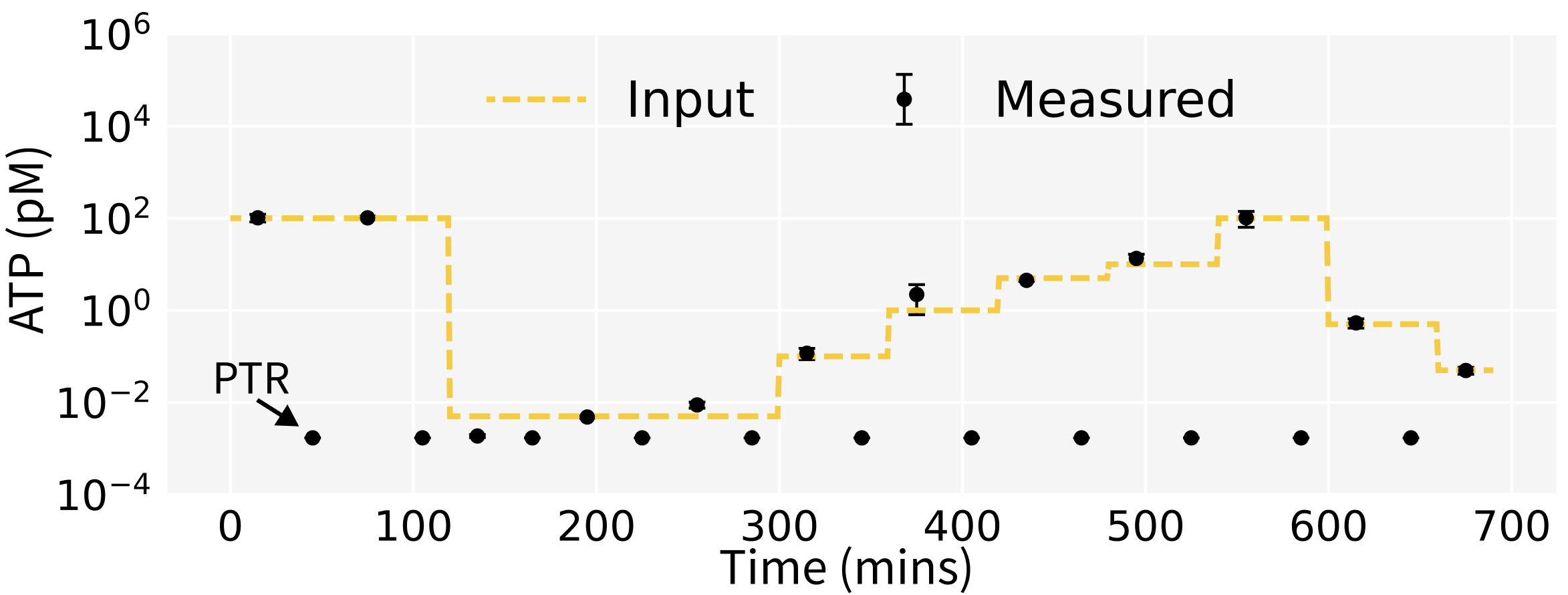
LOD 107 fM
LOD 50 fM
Protein Binder Design with Generative AI Models
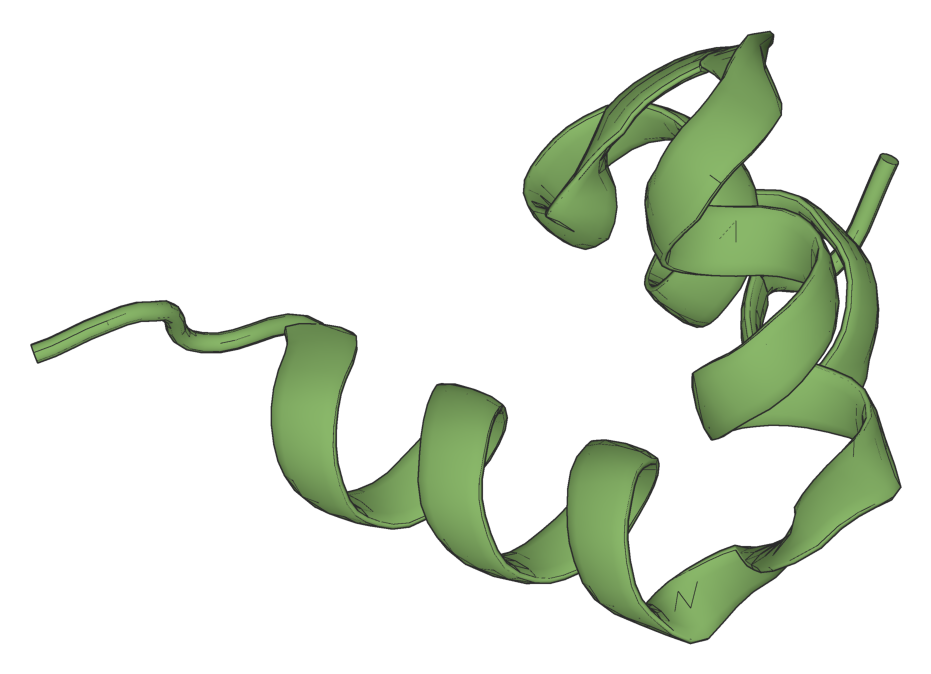
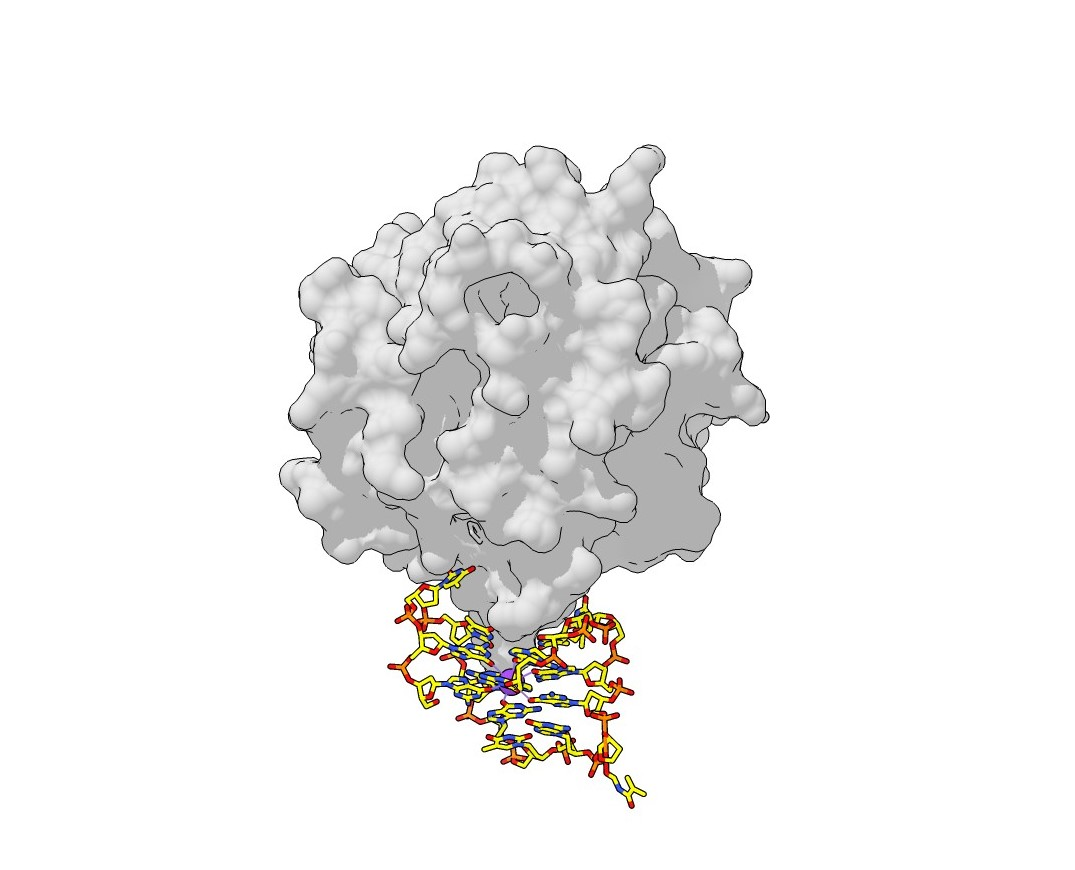
Target: osteocalcin (PDB 1Q8H)
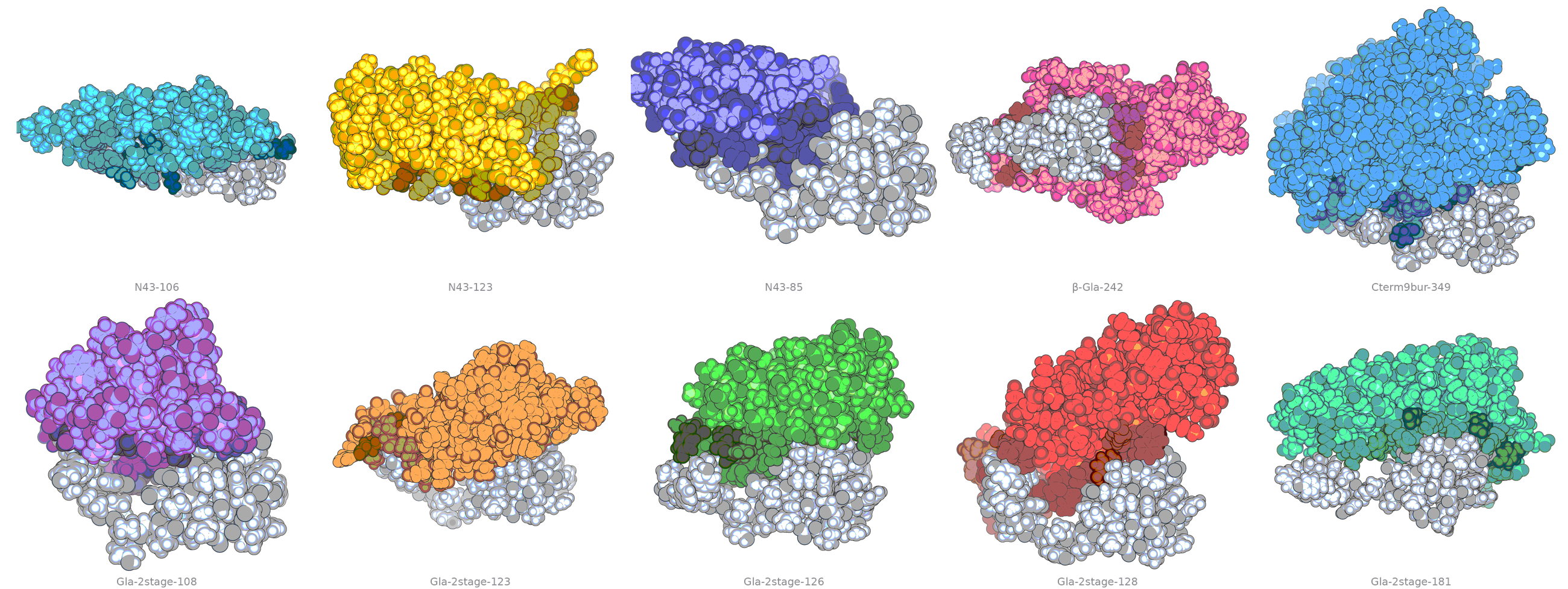
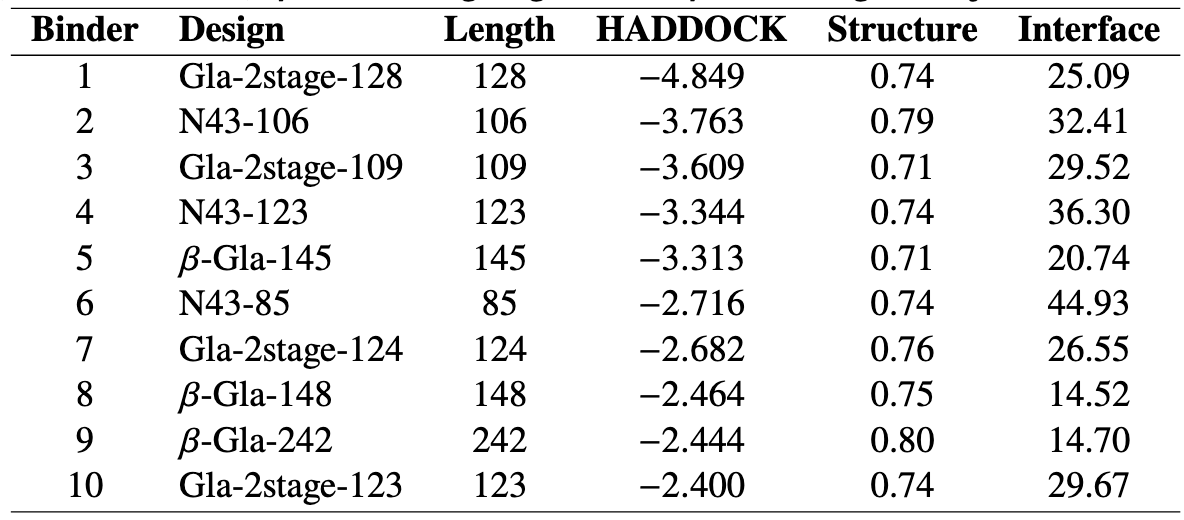
Binder Biochemical Characterization
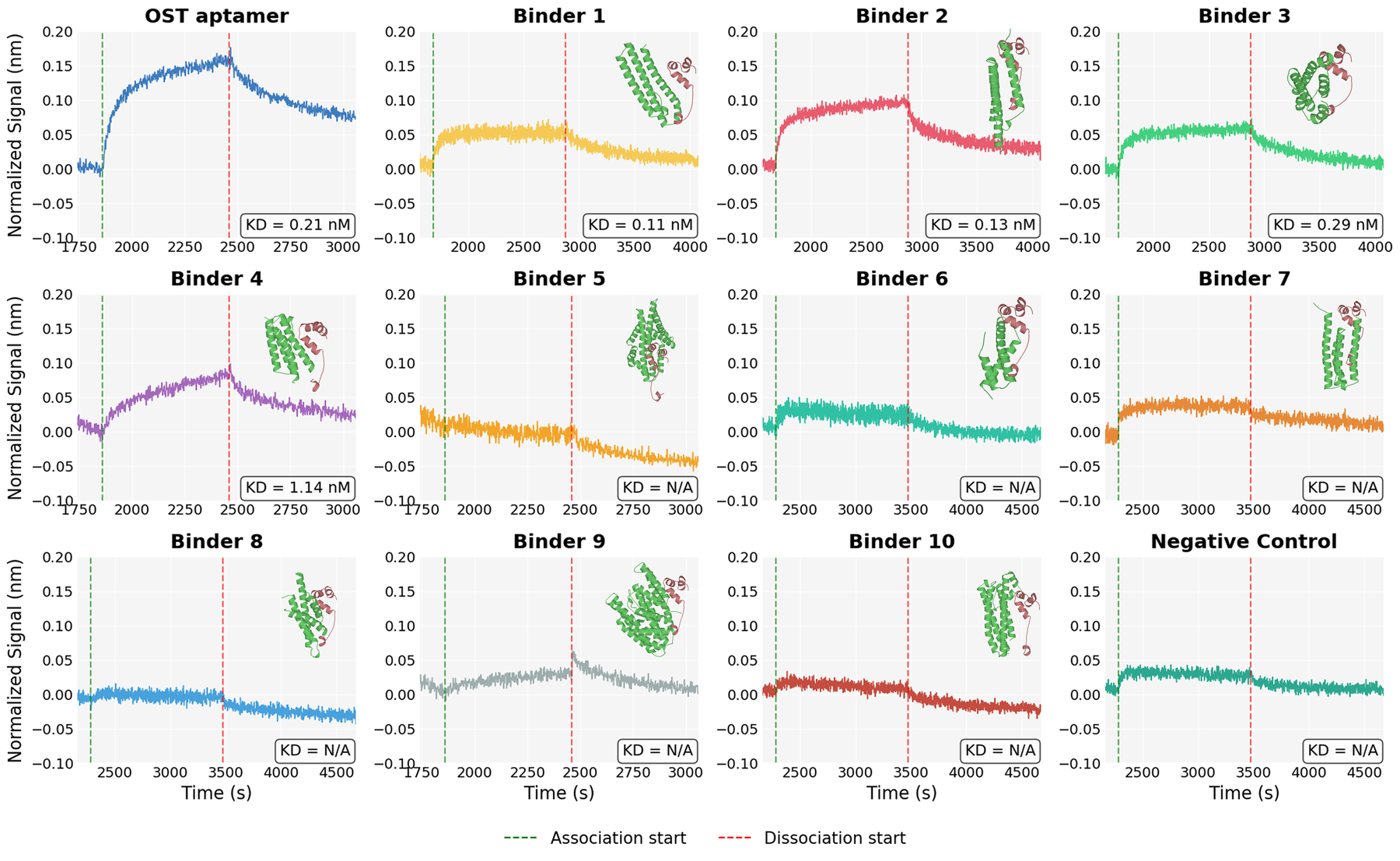
binder 1KD 0.11 nM
binder 2KD 0.13 nM
binder 3KD 0.29 nM
binder 4KD 1.14 nM
binders 5-10no binding
OST aptamerKD 0.21 nM
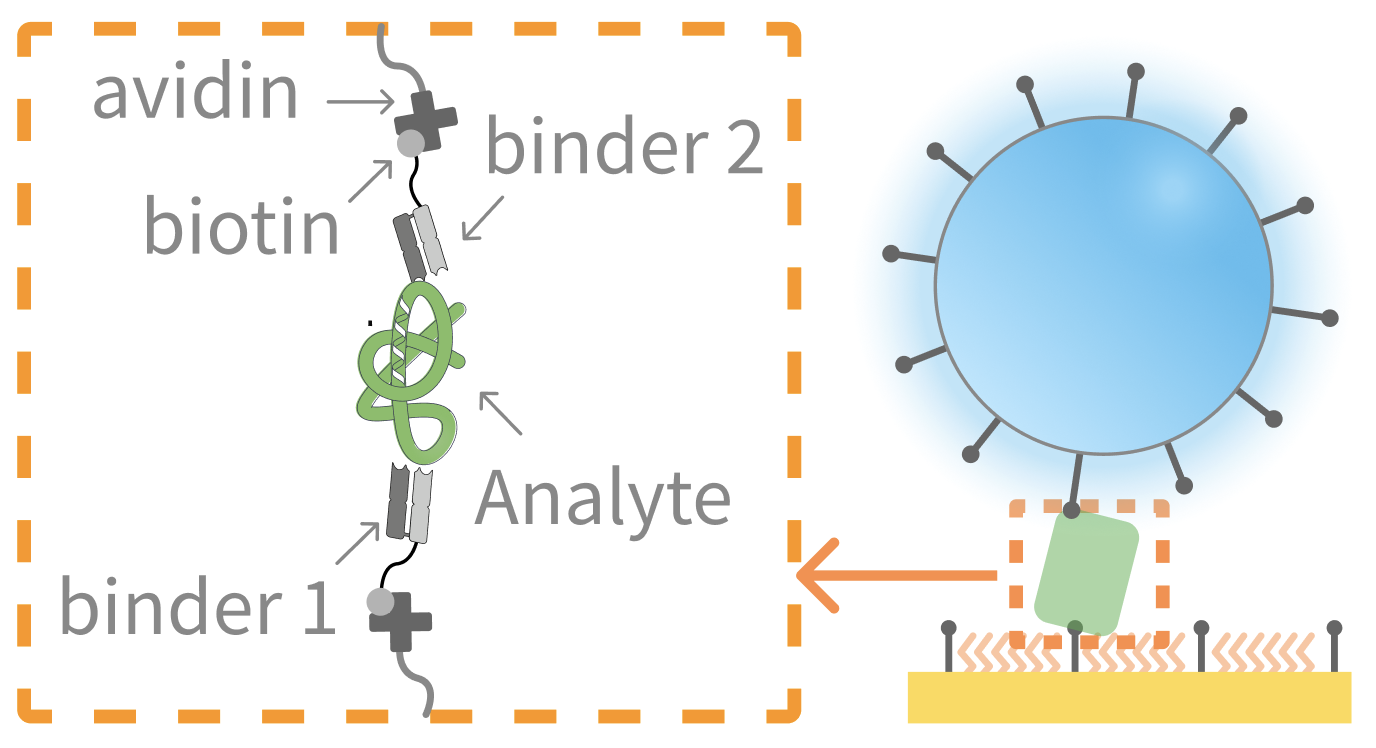
Synthetic Protein Binder for PTR Assay
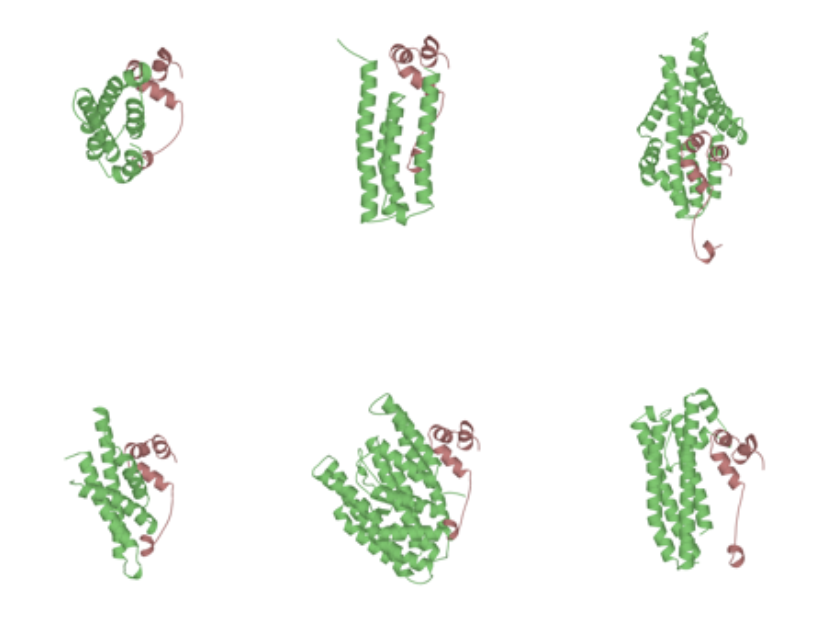
Analyte: Osteocalcin
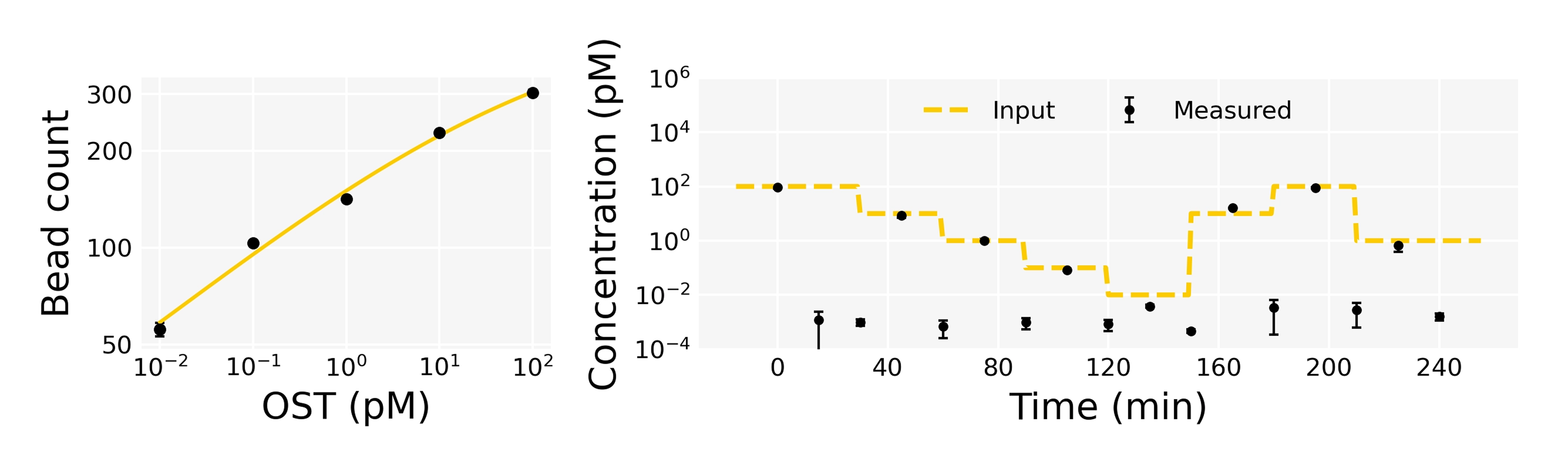
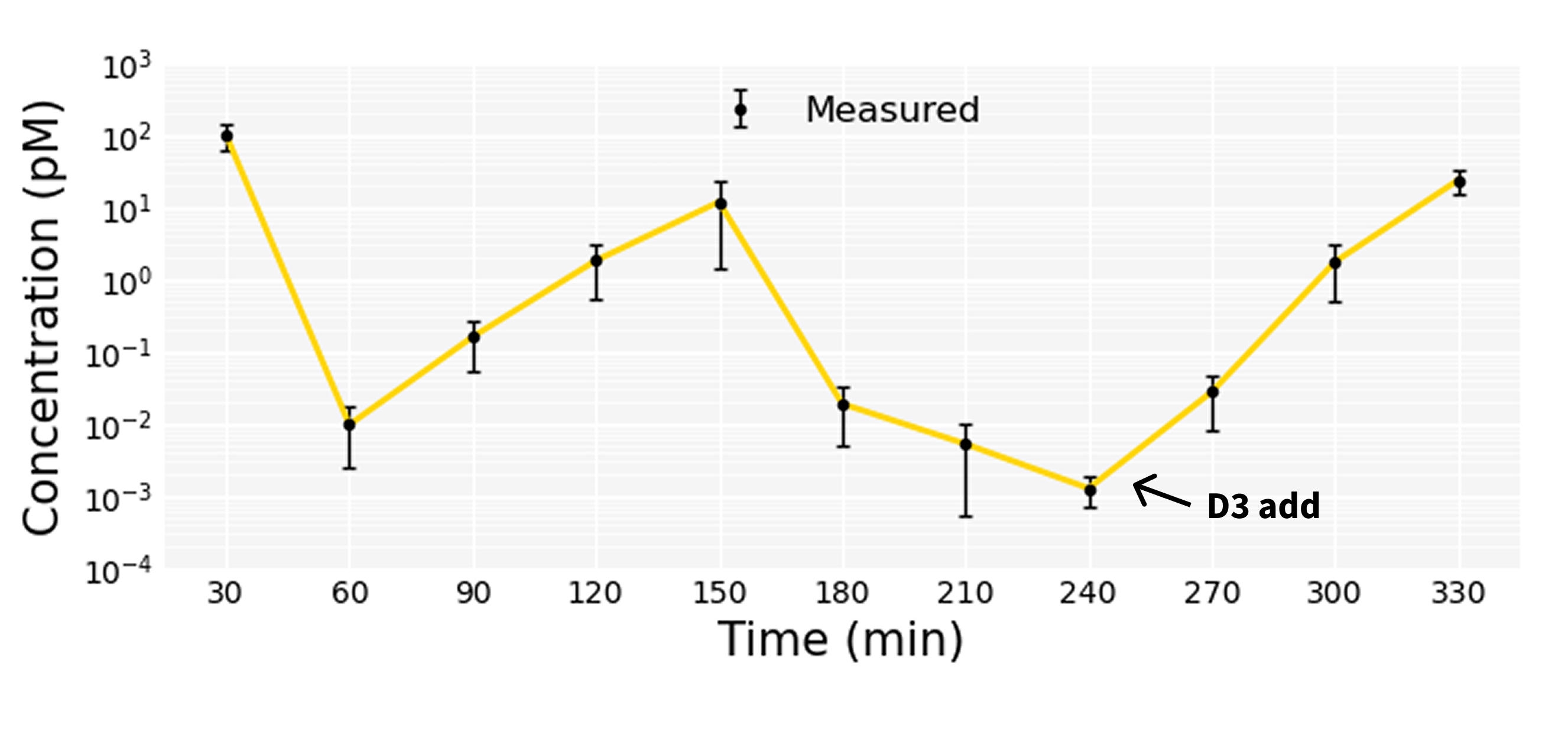
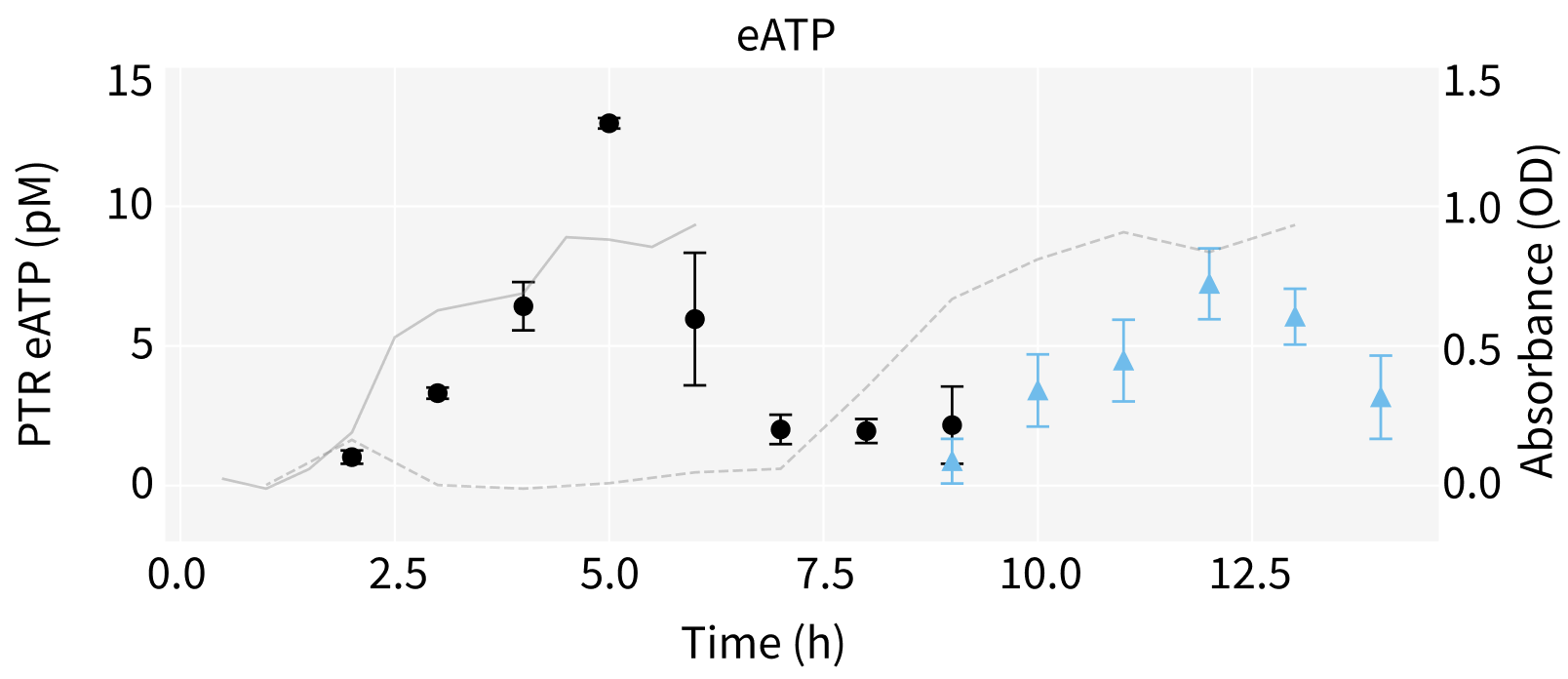
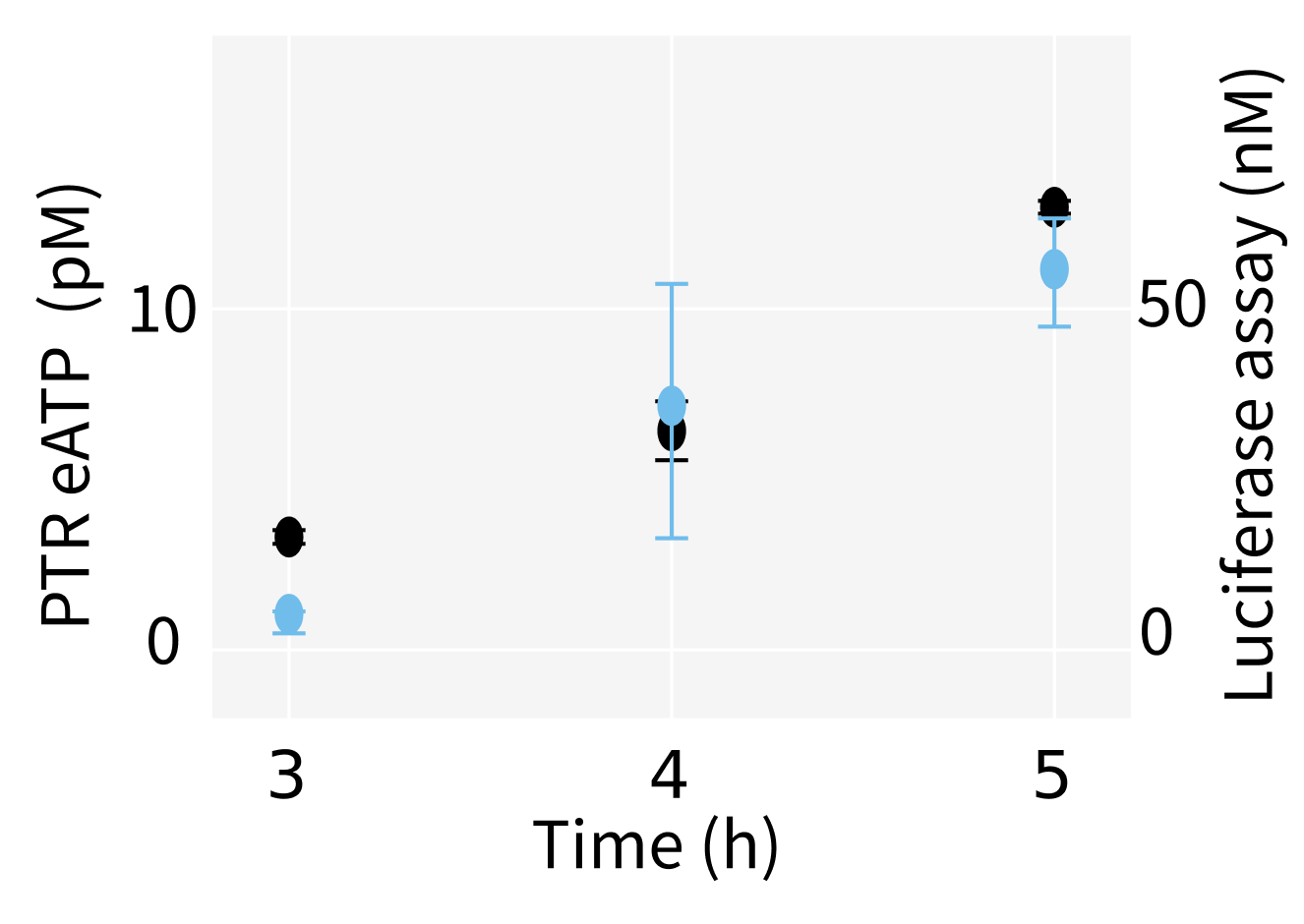
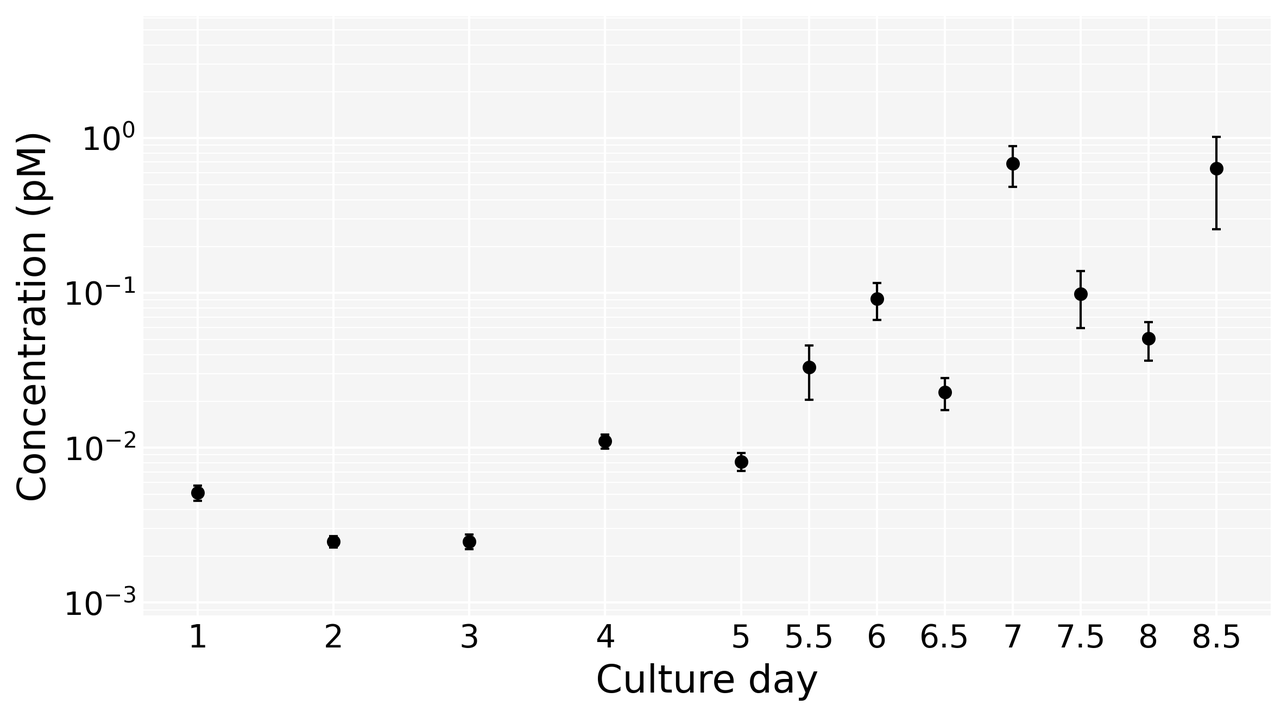
Bacteria Culture Extracellular ATP Measurement
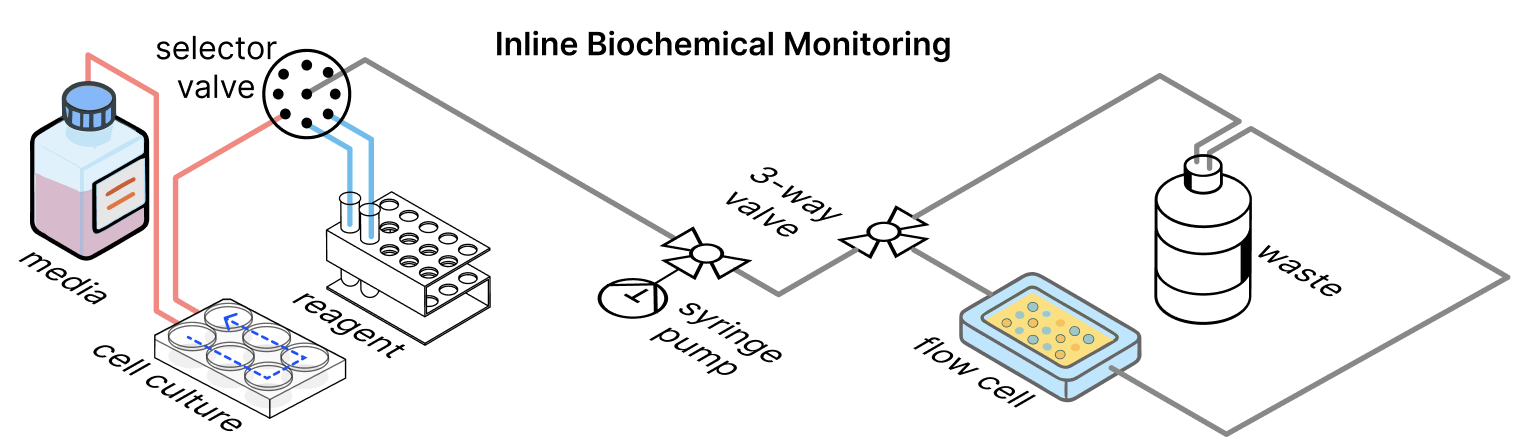
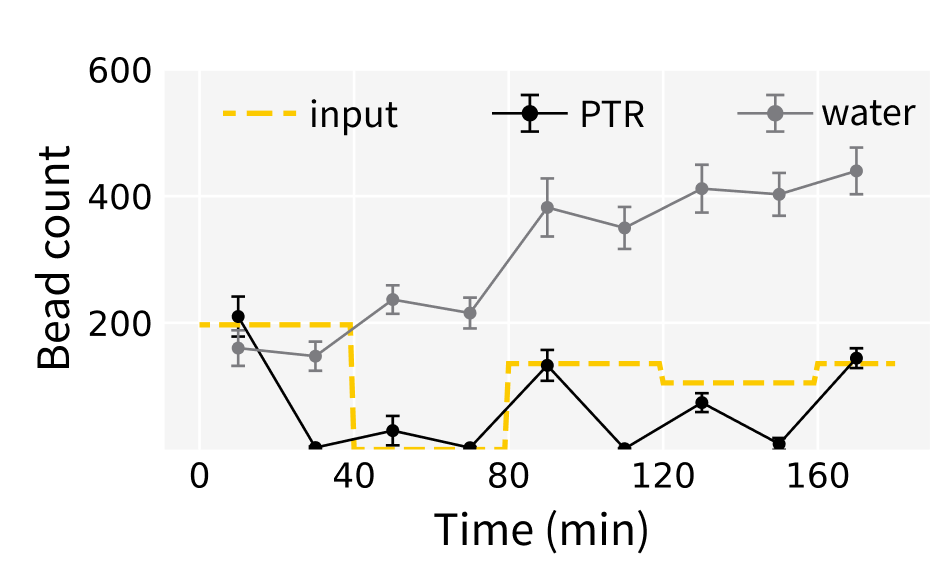
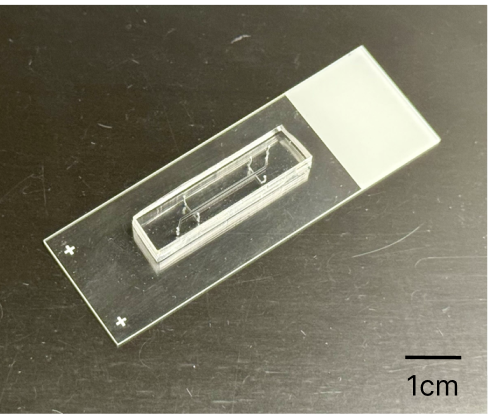
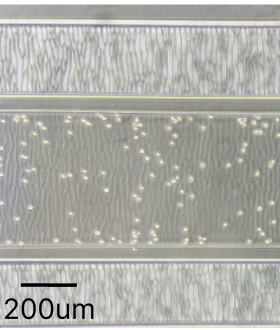
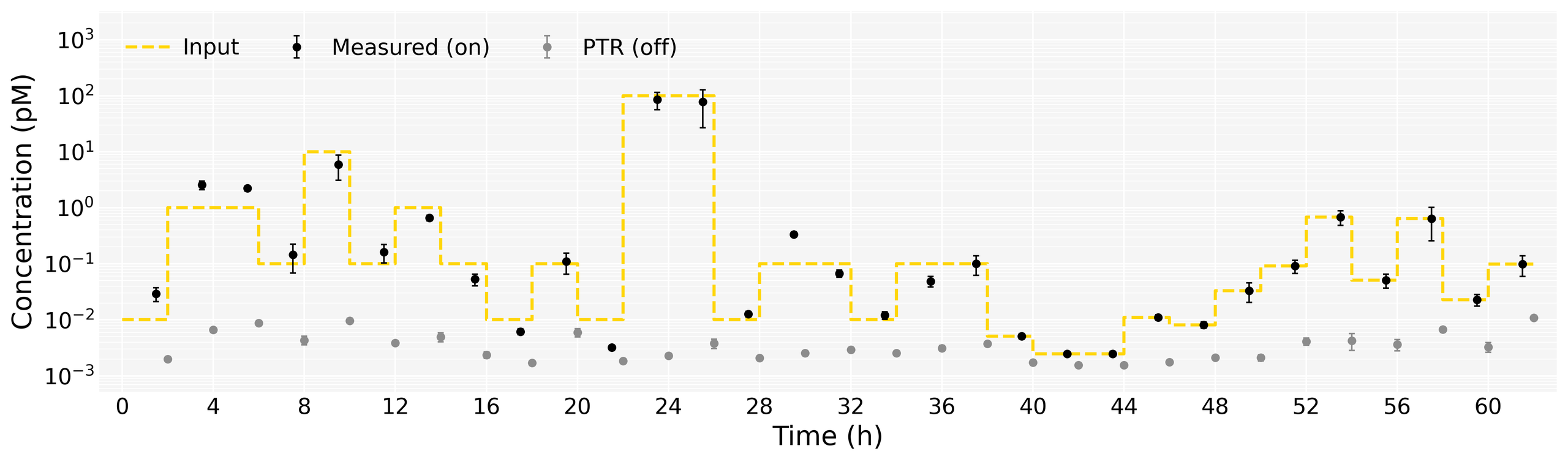
Long-Term Tissue-Chip Monitoring
Vitamin D3 addition
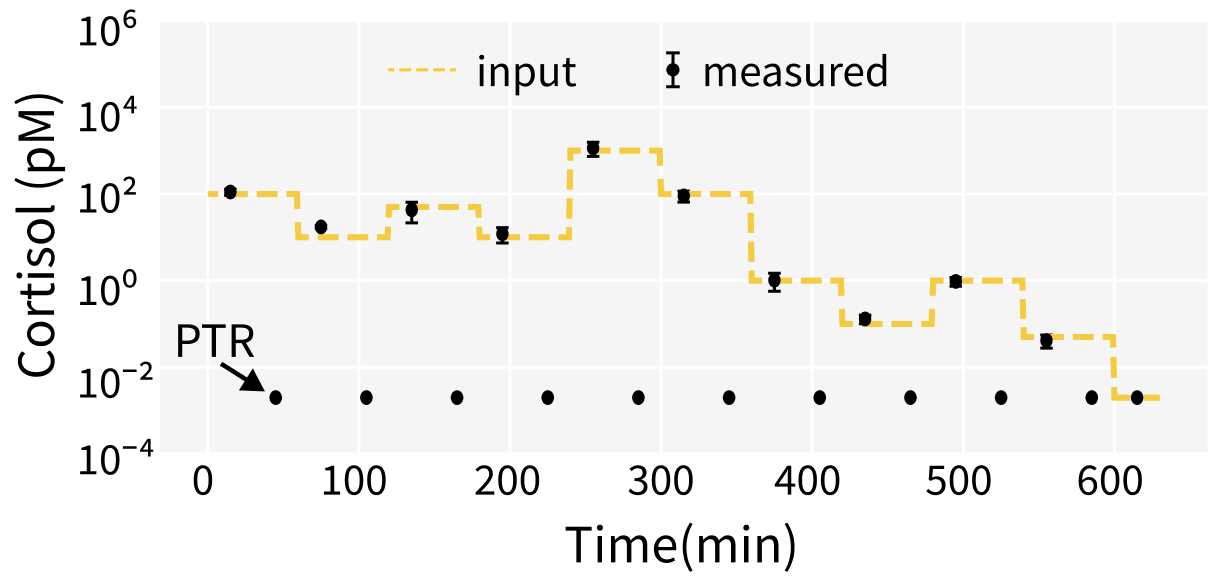
Cortisol Monitoring
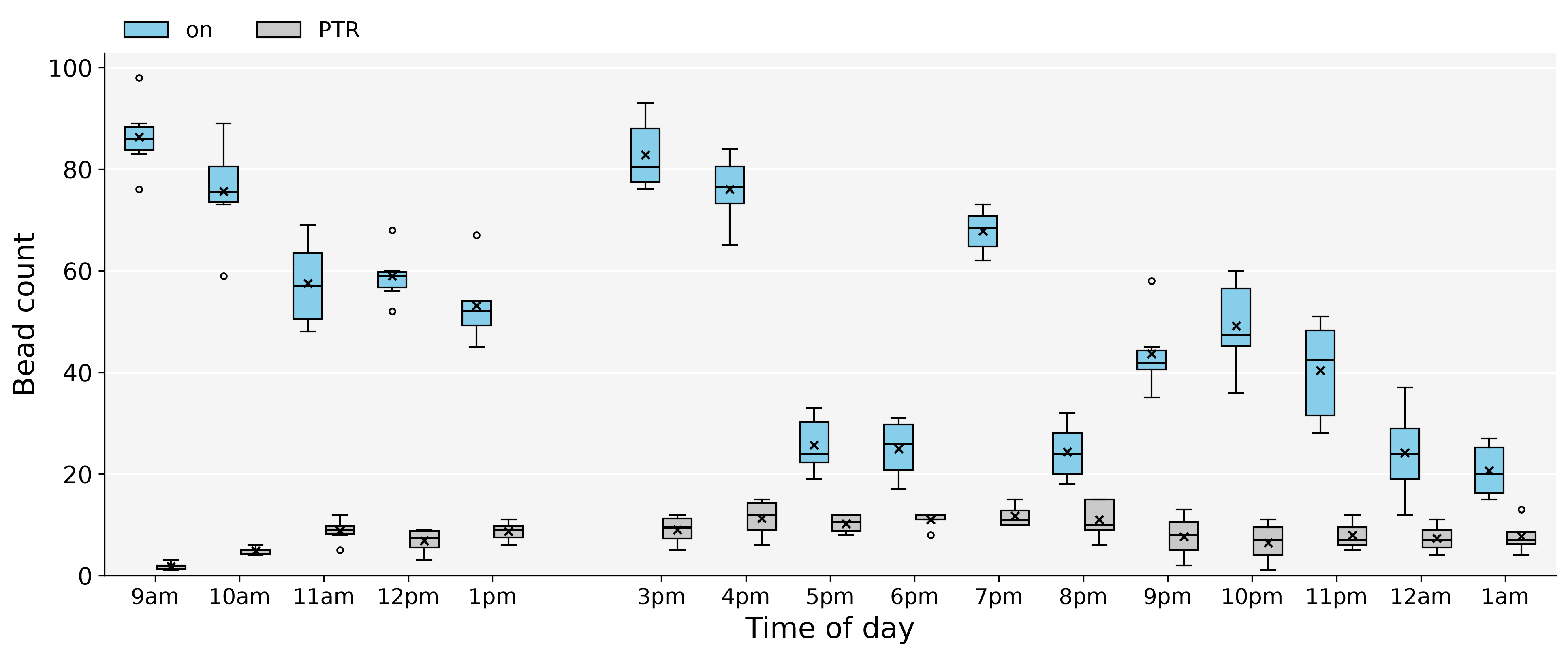
Lunch
Coffee
Dinner
Working
Summary
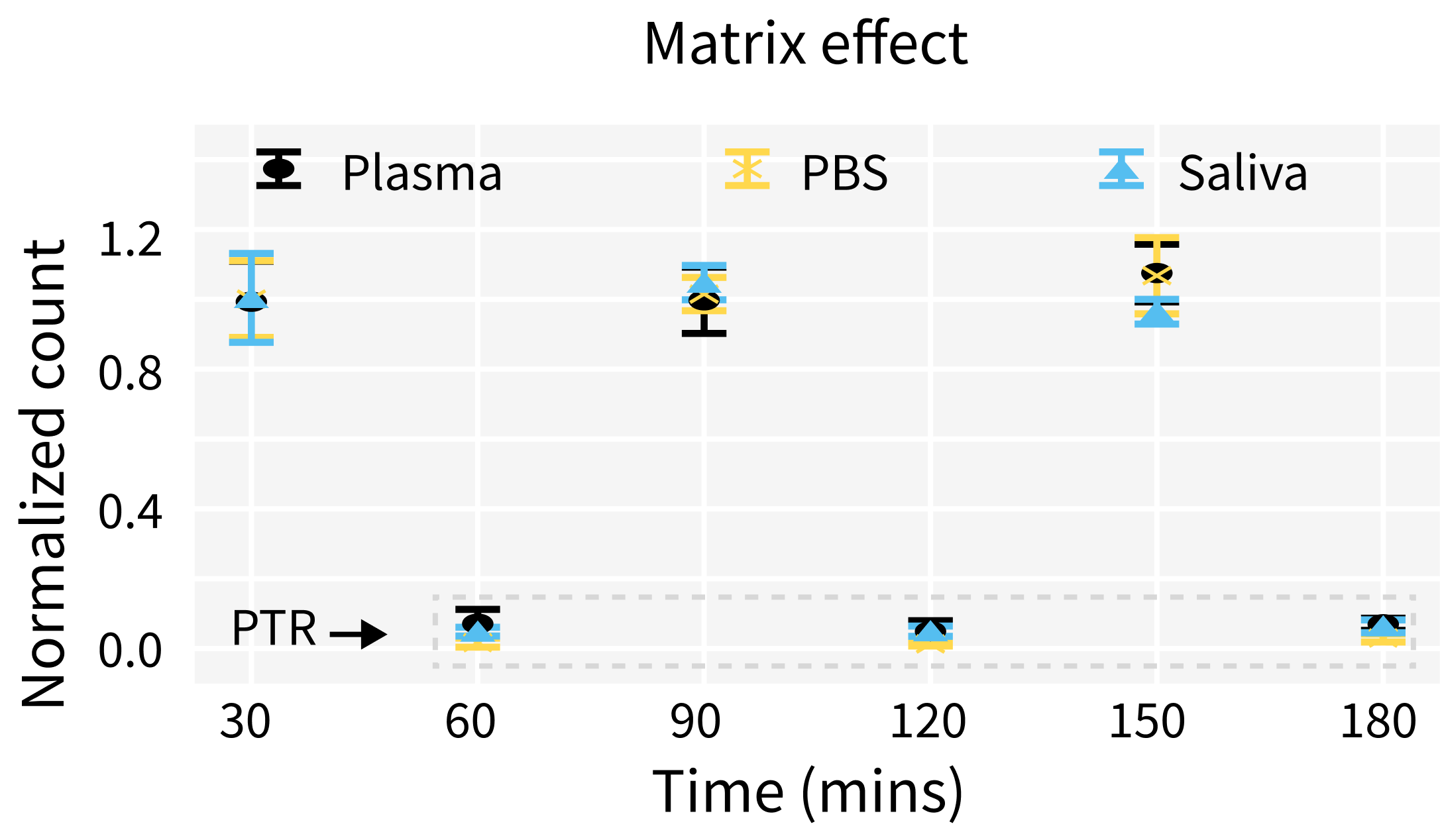
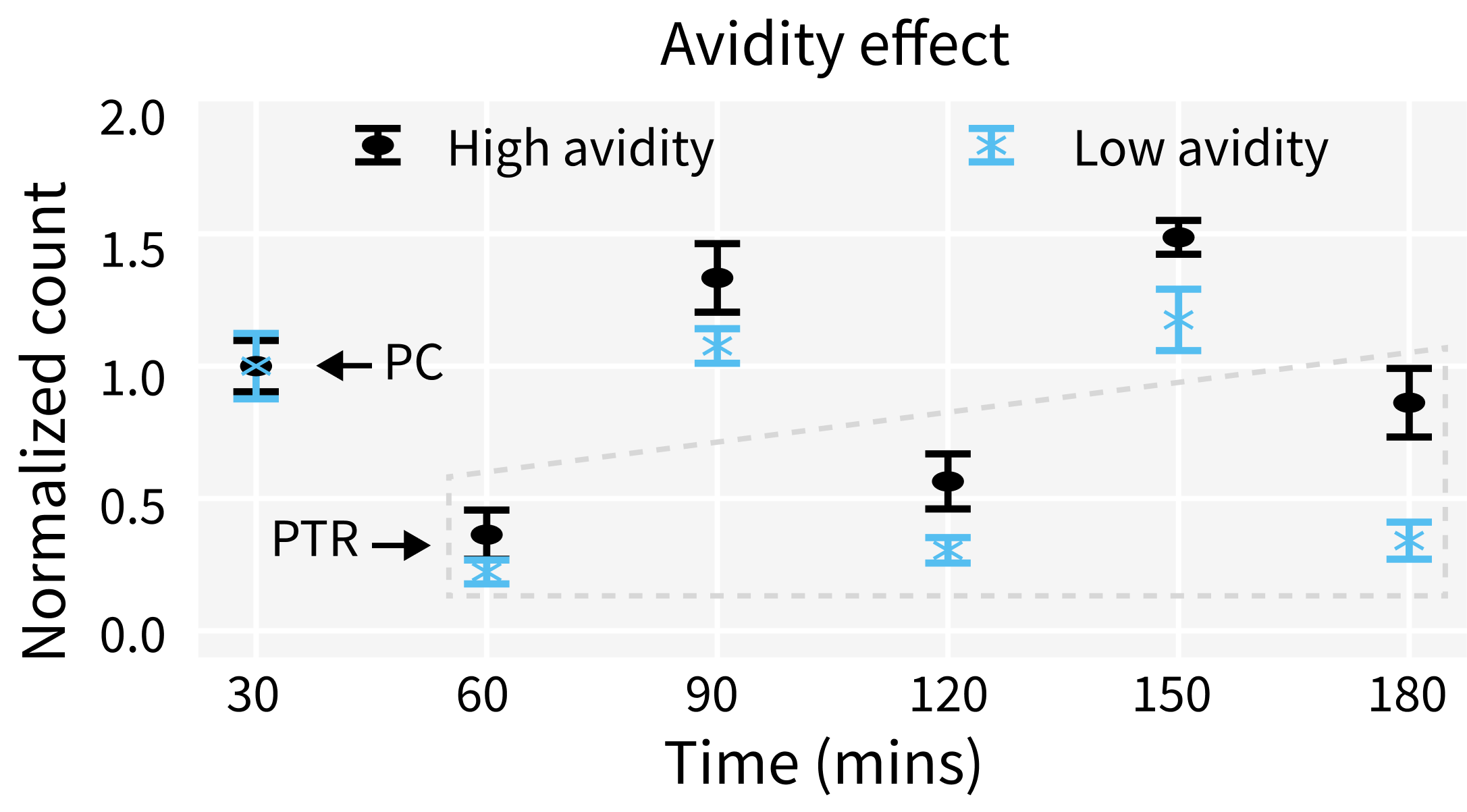
- Photothermal recycling — a ~22 K pulse on a plasmonic Au film resets a tight binder in ~2 min, for ≥ 3 days, in plasma, serum, saliva and culture media
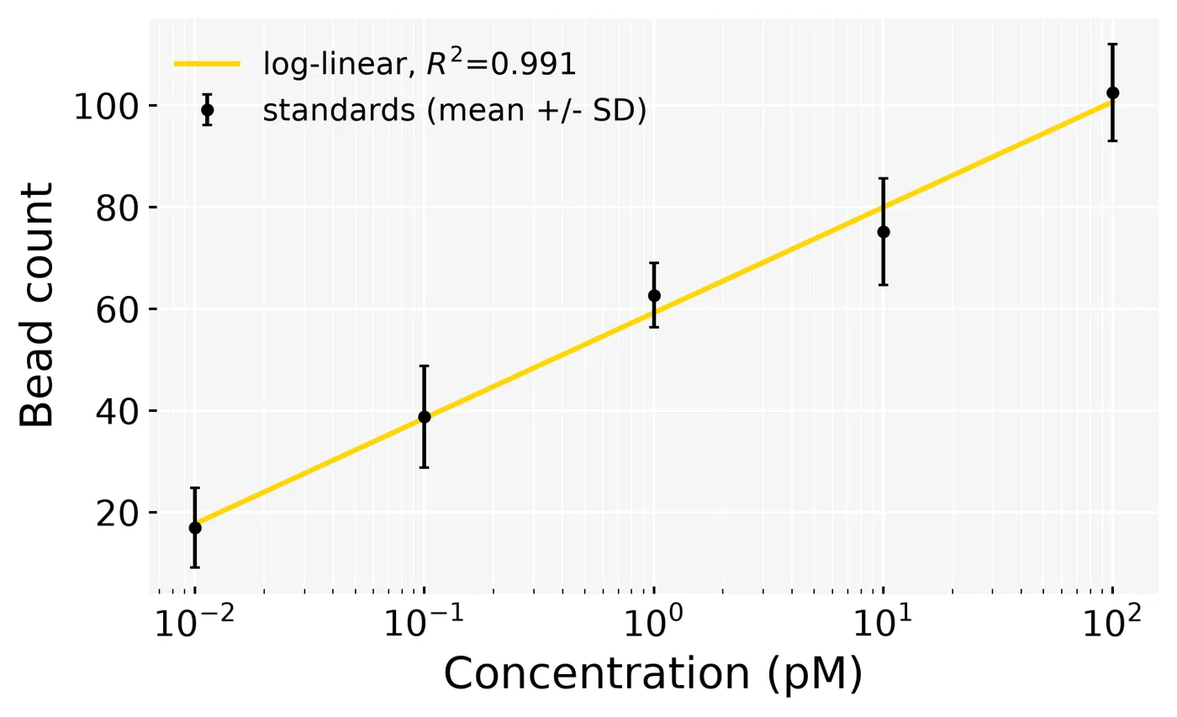
- Digital PTR assay — fM detection across ~4 decades for nucleic acids, proteins and small molecules, with DNA, aptamer, antibody, nanobody and designed-protein binders
- LOD: DNA 70 fM, thrombin 10 fM (31 in serum), cortisol 107 fM (86 in saliva), ATP 50 fM, osteocalcin 20 fM
- ~30 min per measurement, ~20 µL sample, > 60 h on chip
- Verification — inline eATP through an E. coli growth curve, osteocalcin from differentiating stem cells over multiple days
Acknowledgements
Thank you





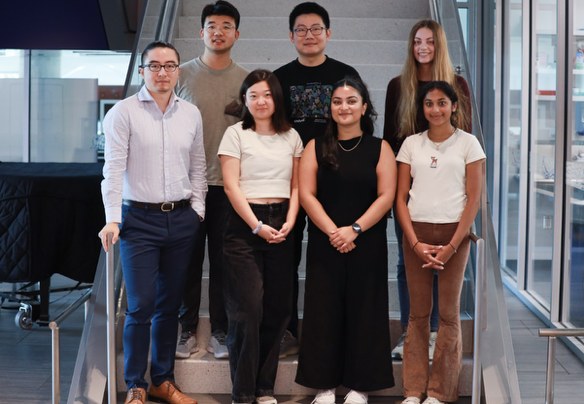
Biodesign Lab
Yongchen Tai, Yunshen Li, Wenting Wang, Yida Wang
Mitchell Conover, Cindy Zhou, Jake Lee, Raymond Malanga, Aditi Kumari, Audrey Singletary
Collaborators
Wenjun Xie, Thomas Angelini, Qiye Zheng, Youngmin Park, Yonggang Ke, Jun-Chau Chien, Matthews Clayton, Xianrui Yang, Idalis Villanueva Alarcon
UF iGEM
2022-2026 teams